
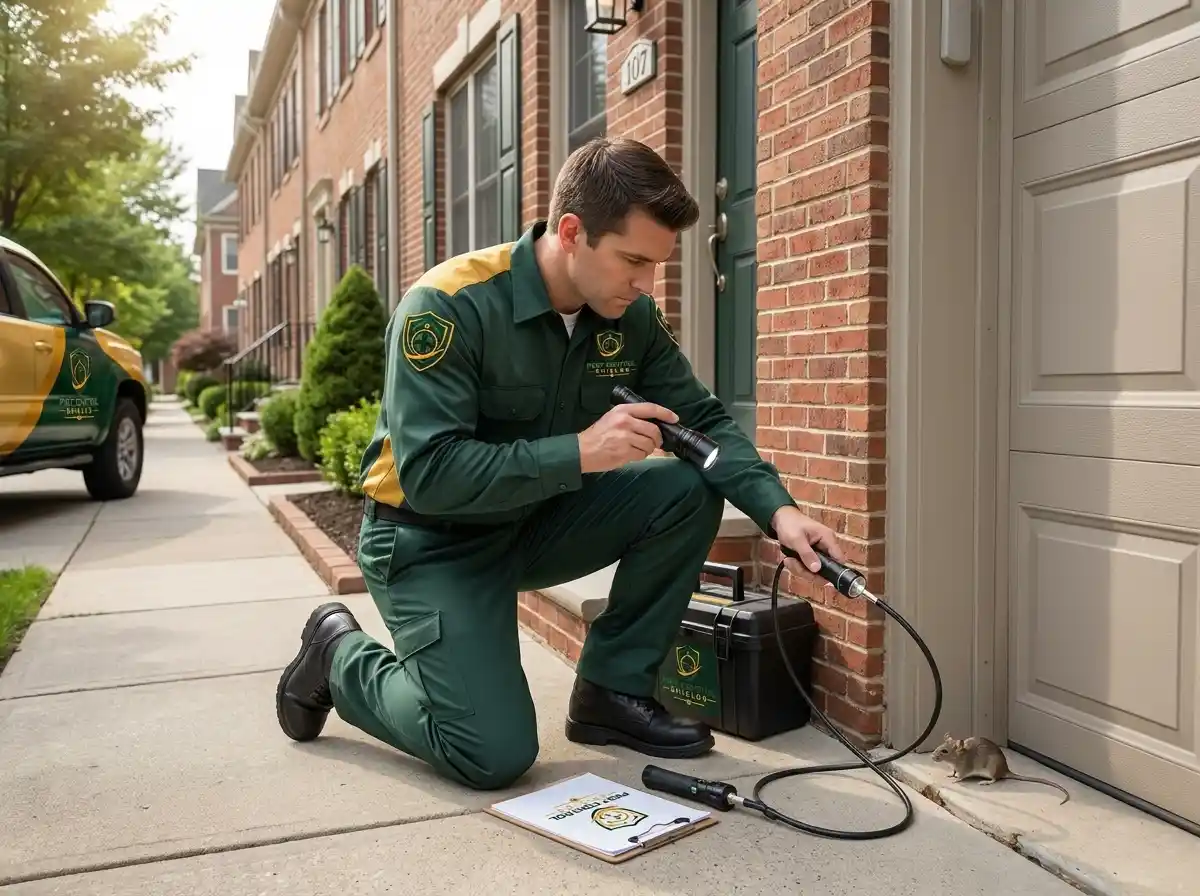
Rodent Control in Philadelphia, PA
Mice and rats rarely stay in one room. In Philadelphia's attached rowhomes they travel through shared walls, sewer lines, and gaps in old foundations, moving from one house to the next. We find how they are getting in, remove them, and seal those entry points so they do not come back.
Other pest control services we offer
Dealing with more than rodents? We handle the full range of Philadelphia pests.
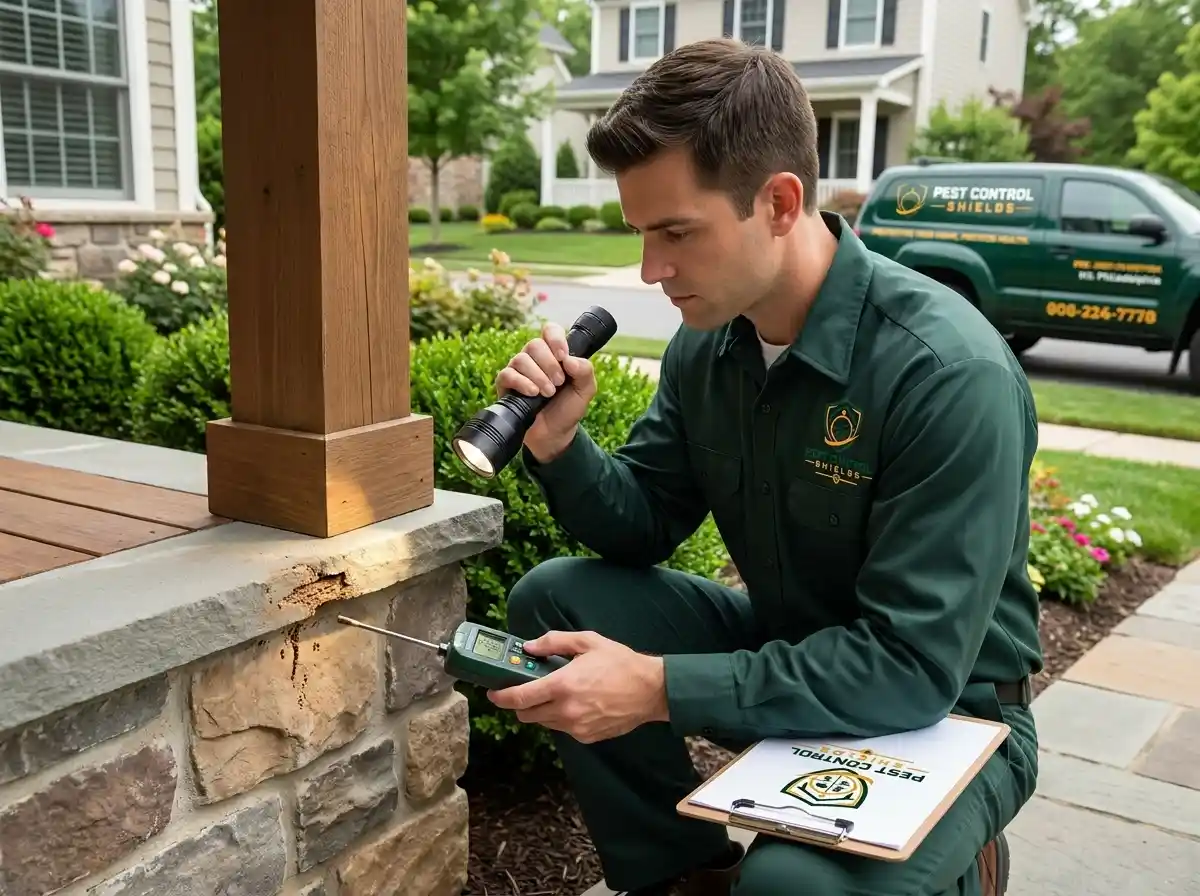
Termite Inspection and Control
Early detection of mud tubes and hidden wood damage before termites spread.
View service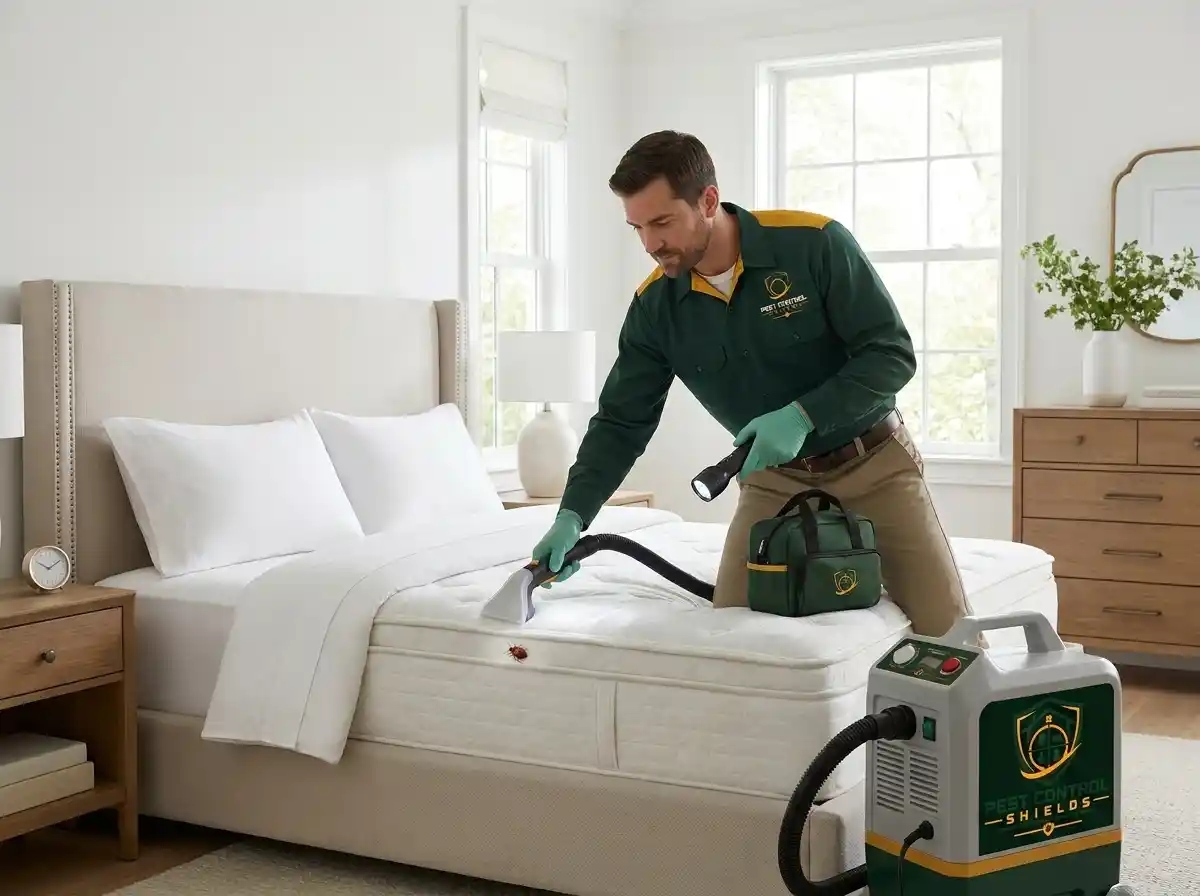
Bed Bug Treatment
Room-by-room treatment for bed bugs in mattresses, furniture, and wall voids.
View service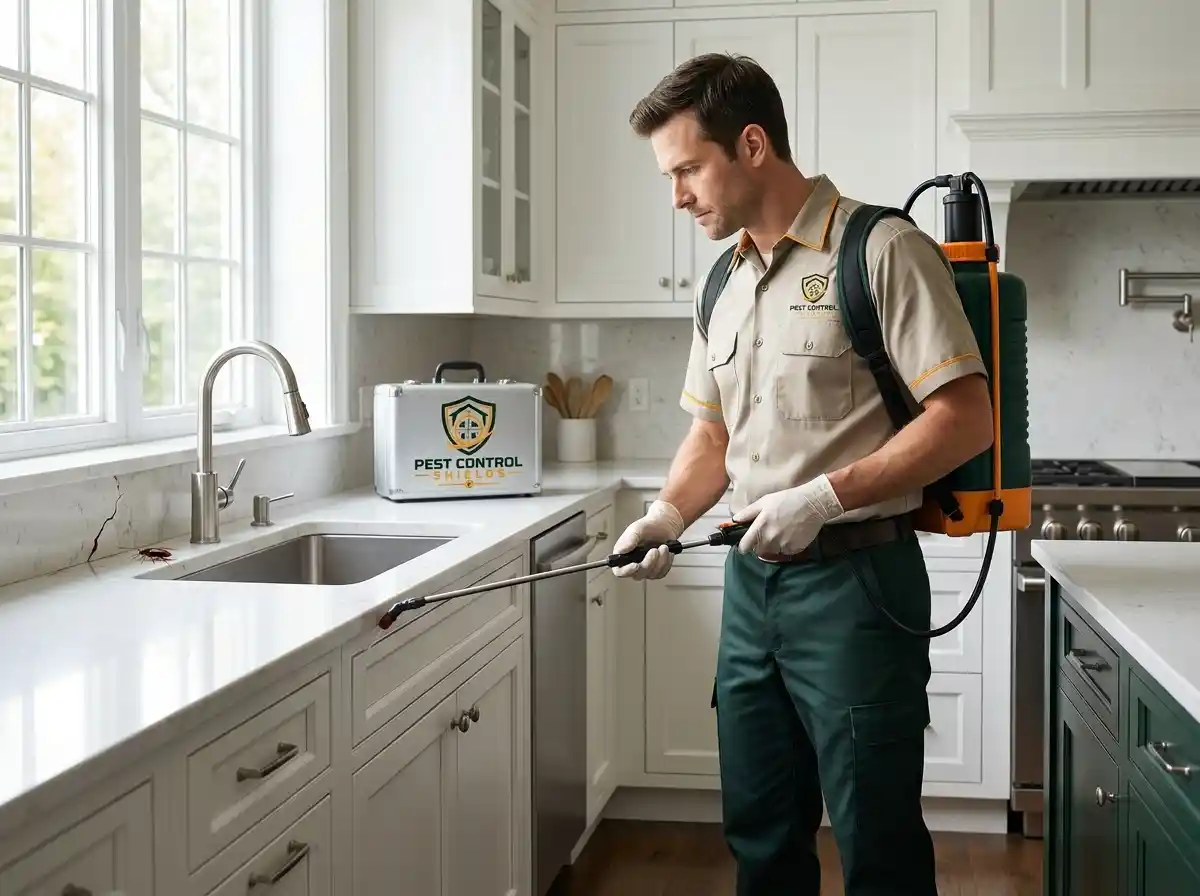
Cockroach Control
We eliminate roach activity at the source, even in shared wall rowhomes.
View service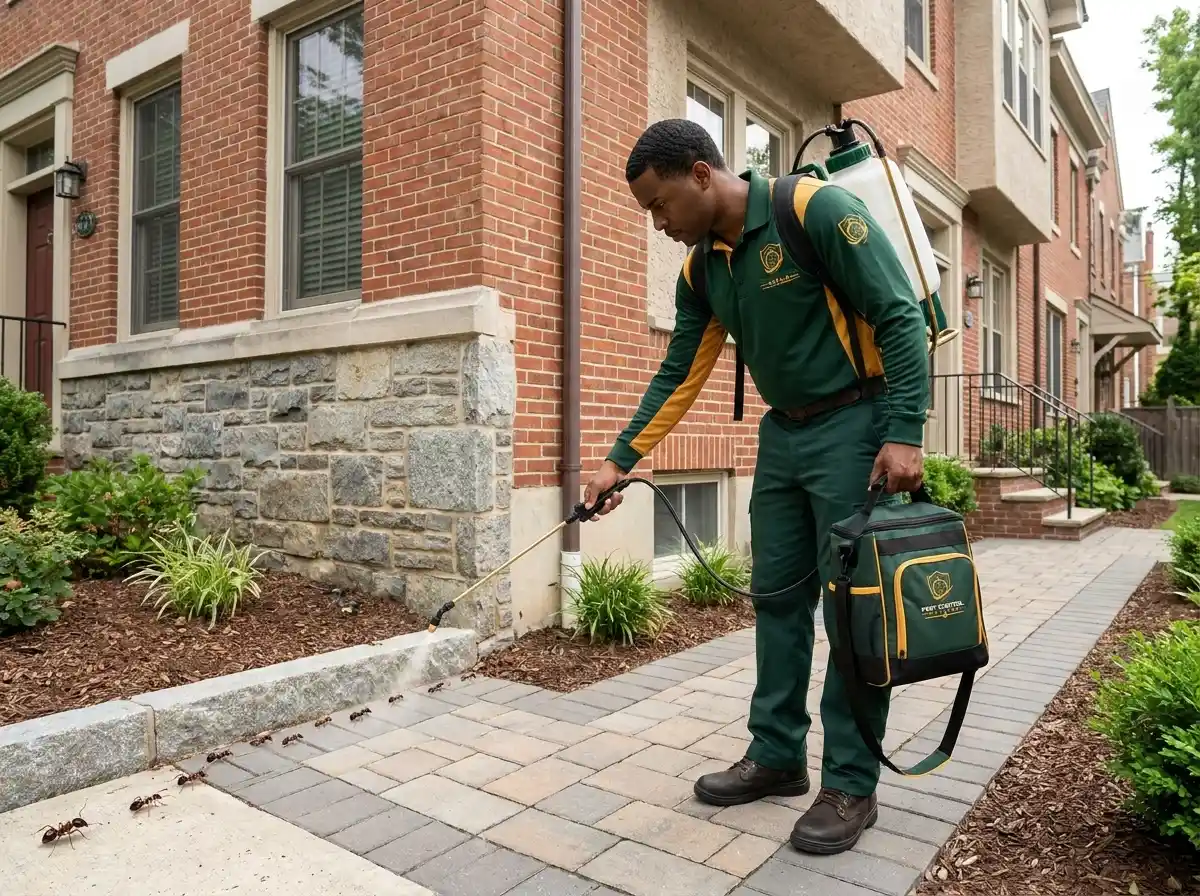
Ant Control
Species-specific, colony targeted treatment for every common ant.
View service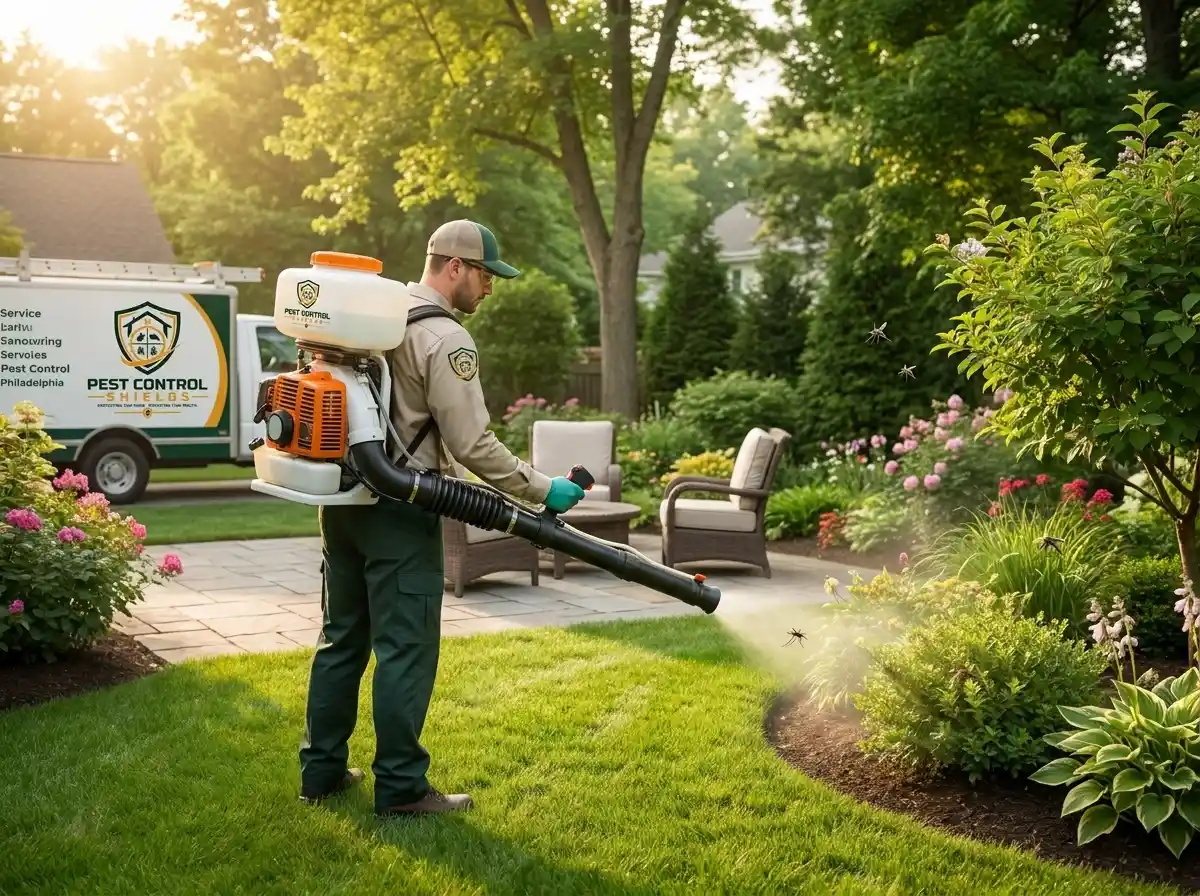
Mosquito Control
Property-wide treatment of breeding sites through peak season.
View service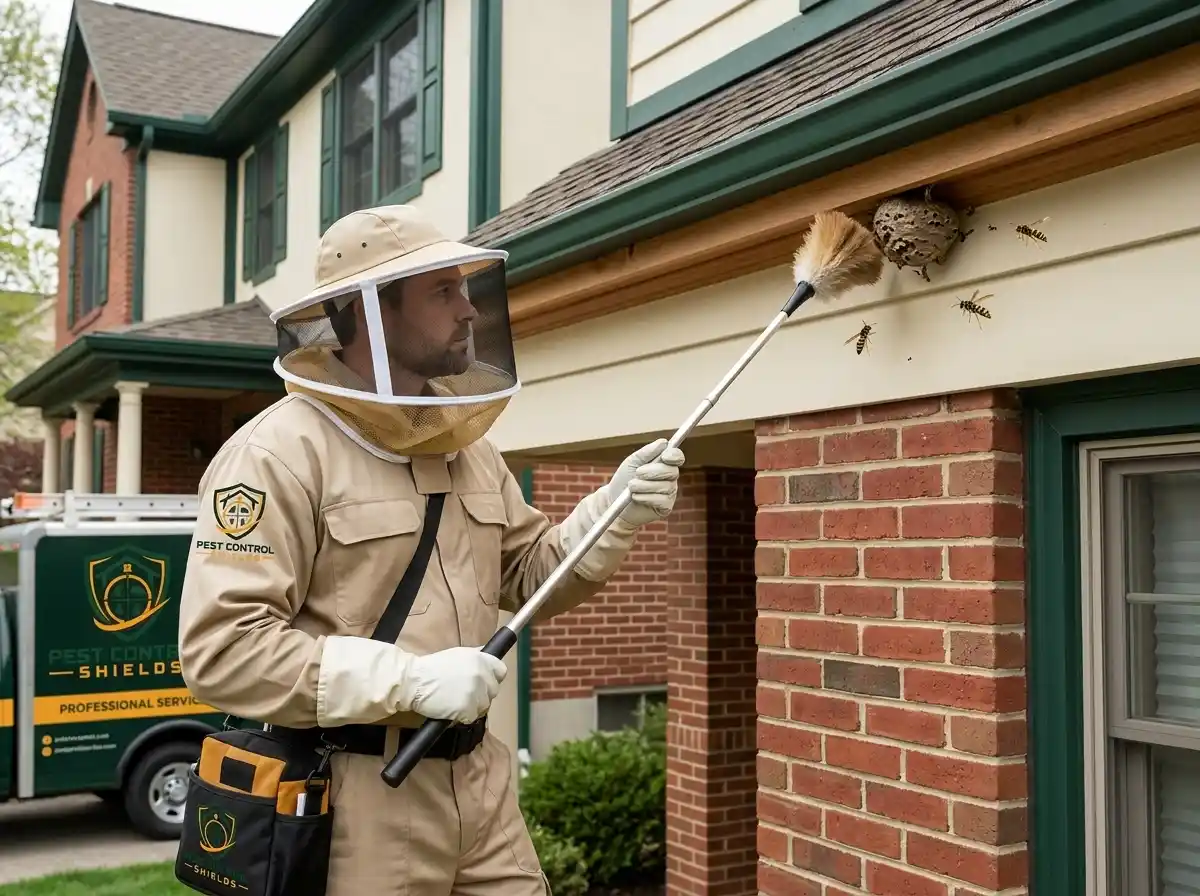
Bees, Wasps, and Carpenter Bees
Safe nest removal and carpenter bee damage treatment.
View service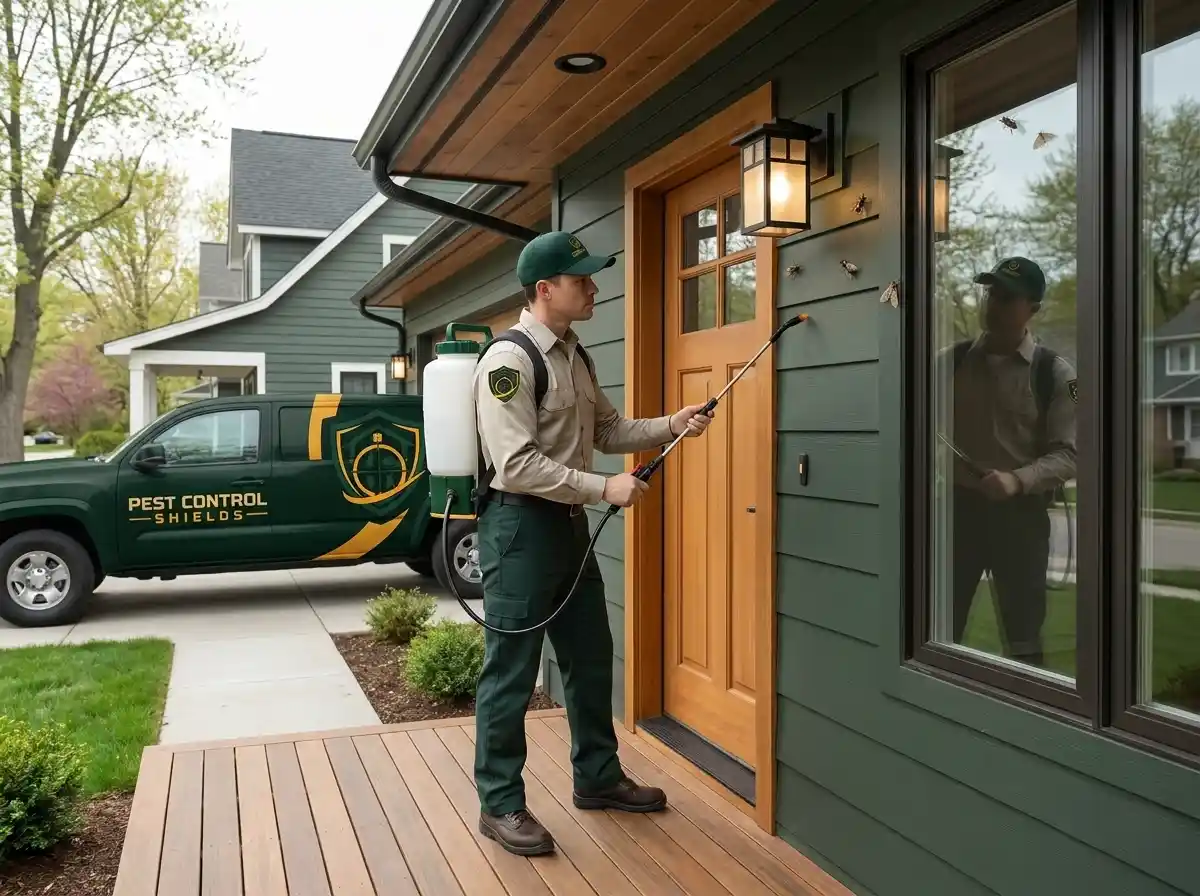
Flying Pest Control
We find the drains and moisture causing indoor fly activity.
View service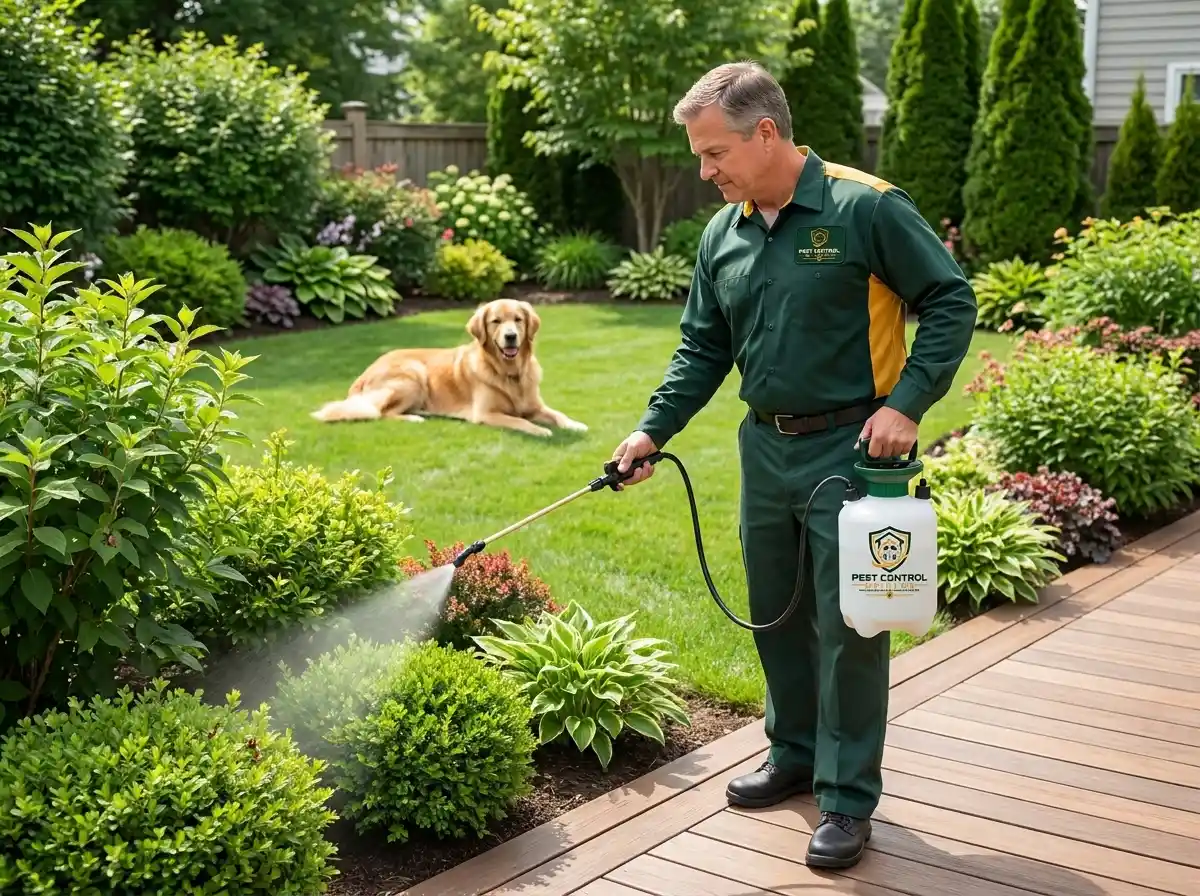
Tick and Flea Control
Yard and property treatment that protects family and pets.
View serviceWhy rodents keep coming back in Philadelphia rowhomes
Rodents keep coming back because so many homes here are connected. Trapping alone treats the symptom while the entry points stay wide open. These are the things that keep letting them in.
Shared party walls
Attached rowhomes let mice and rats pass from one unit to the next without ever going outside.
Connected sewer lines
Old, linked sewer and basement lines give Norway rats a protected route under the whole block.
Old foundation gaps
Deteriorating mortar and settled stone foundations leave openings small enough for mice and rats to squeeze through.
Tight blocks and trash
Shared alleys and trash areas sit right against the foundation, keeping a steady food source close by.
Why homeowners trust us with rodent control
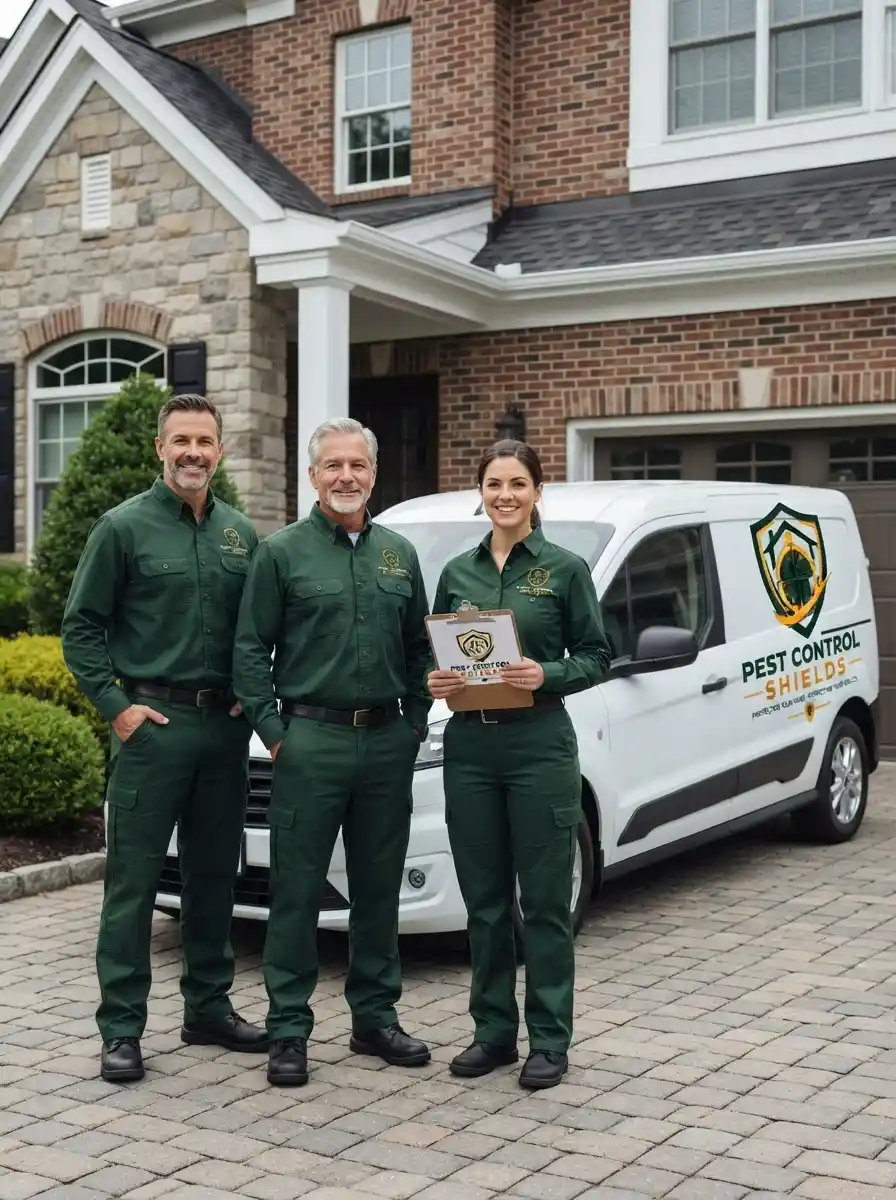
Family owned and operated
Licensed and insured under PA regulations
EPA approved methods, safe around kids and pets
Exclusion built in, we seal the entry points
Local experts in Philadelphia rowhomes
Follow up visit included on every job
How our rodent control works
A real method, not a quick spray and a goodbye.
Inspection
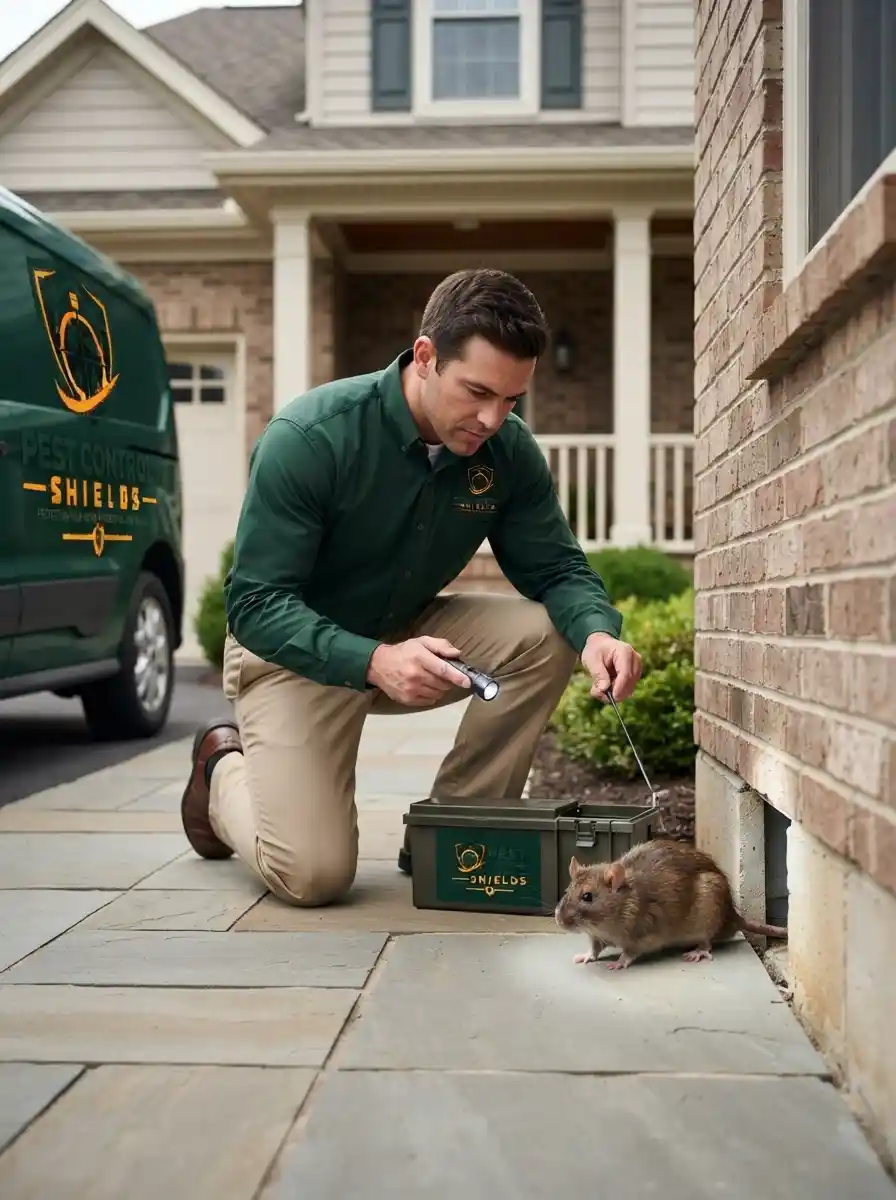
We walk the interior, exterior, basement, and shared walls to find droppings, runs, and the exact points rodents are using to get in.
Identification
We confirm whether it is mice, Norway rats, or roof rats, and map how they are traveling, whether through sewer lines, party walls, or foundation gaps.
Trapping & treatment
We place traps and bait stations along the active runs and remove the rodents already inside, using methods that are safe for your household.
Exclusion & prevention
We seal the gaps they used to get in and set up monitoring, so a neighbor's infestation cannot quietly work back through the shared wall.
Rodent control built for Philadelphia rowhomes
Rodent control is the work of finding, removing, and blocking the mice and rats getting into your home. In Philadelphia that means a lot more than setting a few traps. Most of the city is rowhomes and twins that share walls, framing, and sewer connections, so rodents move between homes without ever stepping outside.
That is why the problem keeps coming back for so many homeowners. If we only treat the room where you spotted one, the rest come back through the same gap. We trace the full path, remove what is already inside, and close the openings they use so the fix actually holds.
Signs you have a rodent problem
You will usually notice the evidence before you ever see a mouse or rat. These are the most common giveaways in Philadelphia homes.
Droppings
Small dark droppings in cabinets, drawers, or along baseboards.
Gnaw marks
Chewing on wood, wires, or chewed through food packaging.
Night noises
Scratching or scurrying inside walls or ceilings after dark.
Rub marks
Greasy smudges along walls where they travel the same route.
Musky smell
An ammonia like odor in closets, basements, or cabinets.
Nesting
Shredded paper, fabric, or insulation pulled together.
Common rodents in Philadelphia
The right approach depends on the species, because each one gets in and behaves differently.
House Mouse
The most common invader in Philadelphia homes. A mouse can slip through a gap the size of a dime, breeds all year, and stays close to food. You will usually find droppings and gnawing long before you see one.
Norway Rat
Also called the sewer rat, this is Philadelphia's signature rodent. It travels the city's old, connected sewer and basement lines and surfaces through drains, foundation cracks, and gaps under cellar doors. These need sealing, not just trapping.
Roof Rat
Less common here but still seen. Roof rats prefer upper floors, attics, and rooflines, entering along utility wires and overhanging branches, so control focuses on the higher entry points they use.
What our rodent control service includes
Full inspection
Interior and exterior check to find active rodents and every entry point.
Trapping & baiting
Targeted, tamper resistant placement where rodents actually travel.
Sealing (exclusion)
Gaps in mortar, utility lines, and foundations closed off for good.
Follow up visit
We confirm the activity has stopped before we close out the job.
Think you have mice or rats? Let us take a look.
Book a free inspection and we will show you exactly how they are getting in, and what it takes to keep them out for good.
What Philadelphia homeowners say
We had mice getting in through the basement of our Fishtown rowhome. They found the exact gaps along the shared wall and sealed them. Months later, still nothing.
Called about roaches and they actually explained how they were coming through the wall from next door. First company that didn't just spray and leave.
Honest about pricing before starting. The written plan made it easy to know exactly what I was paying for, no surprises on the invoice.
Their termite inspection caught early damage in our Germantown home before it spread. Saved us a serious repair bill down the road.
Bed bugs in our multi-unit building spread fast. Their room by room treatment and the follow up visit finally got rid of them for good.
Same day appointment when we found a wasp nest by the deck. Removed it safely with kids around and checked for carpenter bee damage too.
Philadelphia neighborhoods we serve
Local technicians who know the housing stock, and where rodents get in, block by block.
Rodent control questions we hear most
How do I know if it is mice or rats?
Size is the quickest tell. Mouse droppings are small, like grains of rice, and you often hear light scratching in walls. Rat droppings are larger and you may see bigger gnaw holes, greasy rub marks, or burrows near the foundation. During the inspection we confirm the species so the treatment matches the actual problem.
How do rodents get into a Philadelphia rowhome?
Usually through shared walls, connected sewer and basement lines, and gaps in old mortar or around utility pipes. Because homes are attached, a rodent problem next door can become yours without anything entering from the street, so sealing the shared entry points matters as much as trapping.
How long does rodent control take?
Most homes are handled over a first visit plus a follow up, though heavier infestations or active sewer line rats can take a little longer. You get a clear plan and timeline after the inspection, before any work begins.
Is rodent treatment safe for kids and pets?
Yes. We use tamper resistant bait stations and place traps where children and pets cannot reach them, and we explain any short-term precautions before the technician leaves.
Do you seal the entry points or just set traps?
Both. Trapping removes what is already inside, but sealing the gaps in mortar, foundations, and utility penetrations is what actually keeps rodents from coming back. Exclusion is built into the service.
How do I keep rodents from coming back?
Keep food sealed, cut off water sources, and stay on top of any new gaps around pipes and the foundation. We handle the sealing and set up monitoring, and can schedule periodic checks for homes on blocks with ongoing rodent pressure.
Get a free rodent inspection
Tell us what you are seeing and where. A local technician inspects the problem and the shared walls it may be traveling through, then gives you a written plan and price before any work starts.