
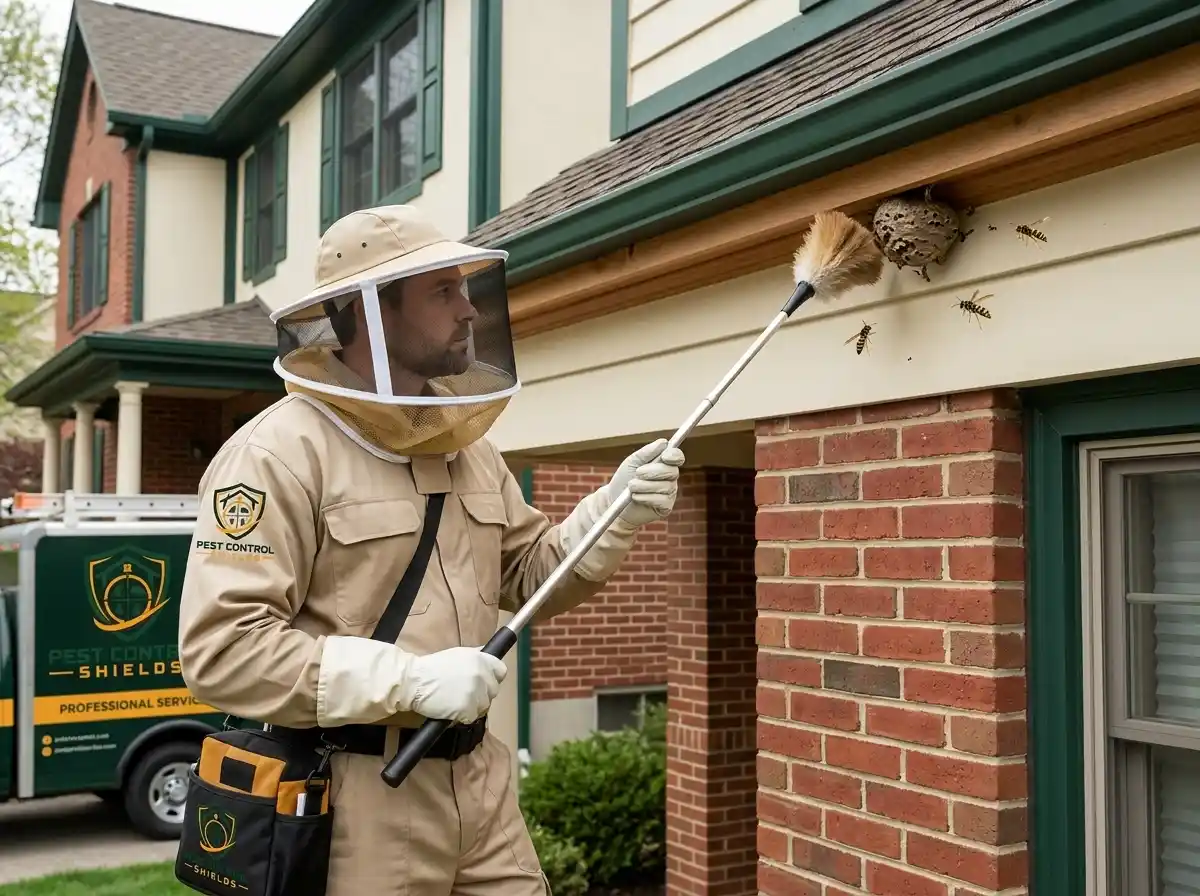
Bee, Wasp & Hornet Removal in Philadelphia
A nest by the door or under the deck is not something to poke at. Wasps, hornets, and carpenter bees show up on Philadelphia homes every summer, and some can sting again and again. We remove nests safely, treat the source, and check for the wood damage carpenter bees leave behind.
Other pests we take care of at home
Stinging insects are seasonal, but we cover much more.
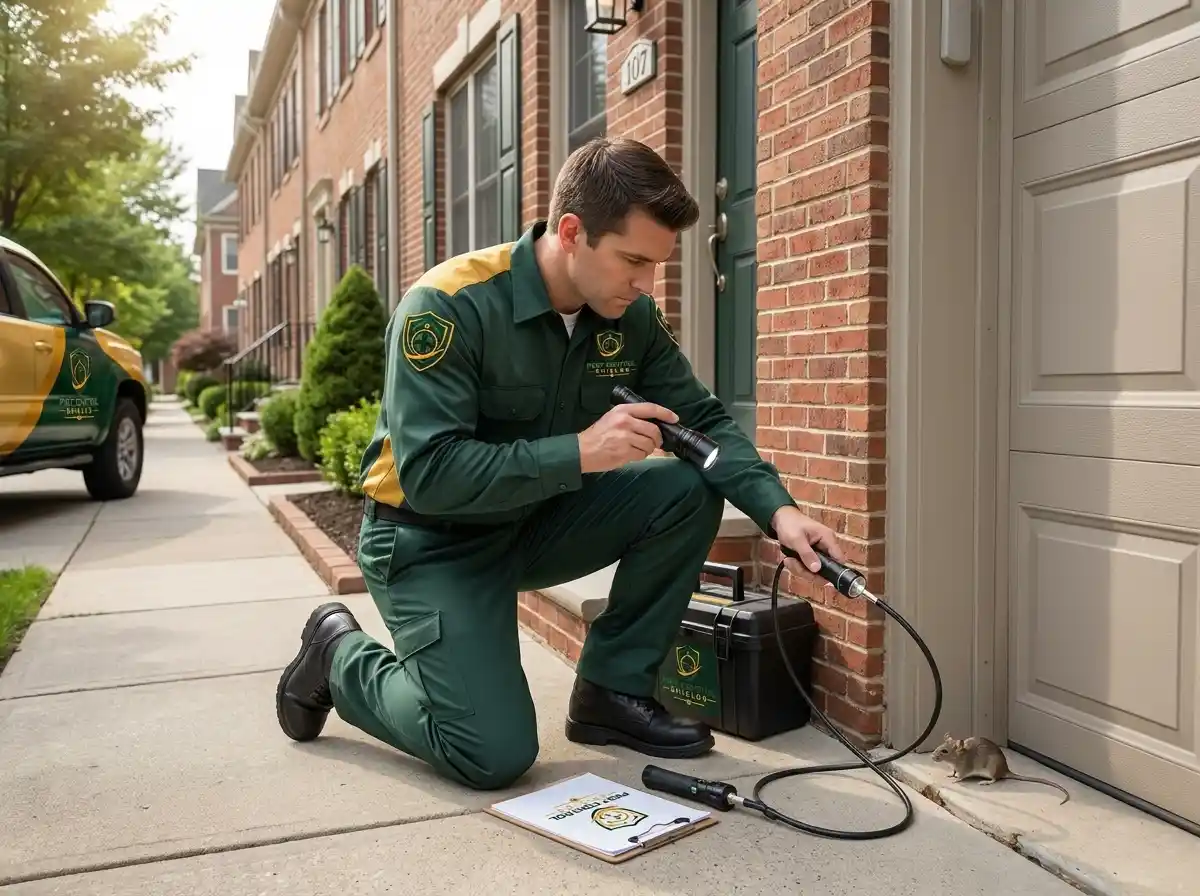
Rodent Control
Full inspection and exclusion for mice and rats, sealed at the entry point.
View service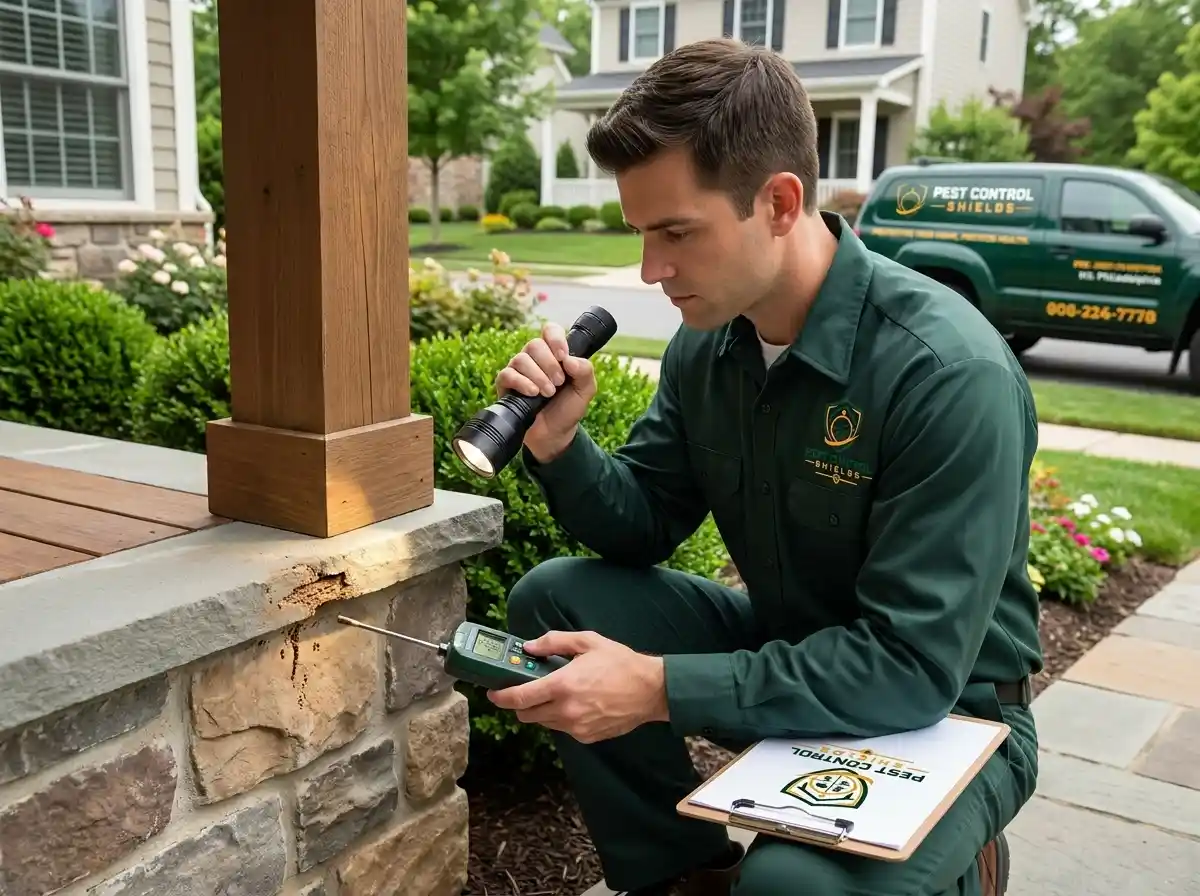
Termite Inspection and Control
Early detection and treatment before termites damage the structure.
View service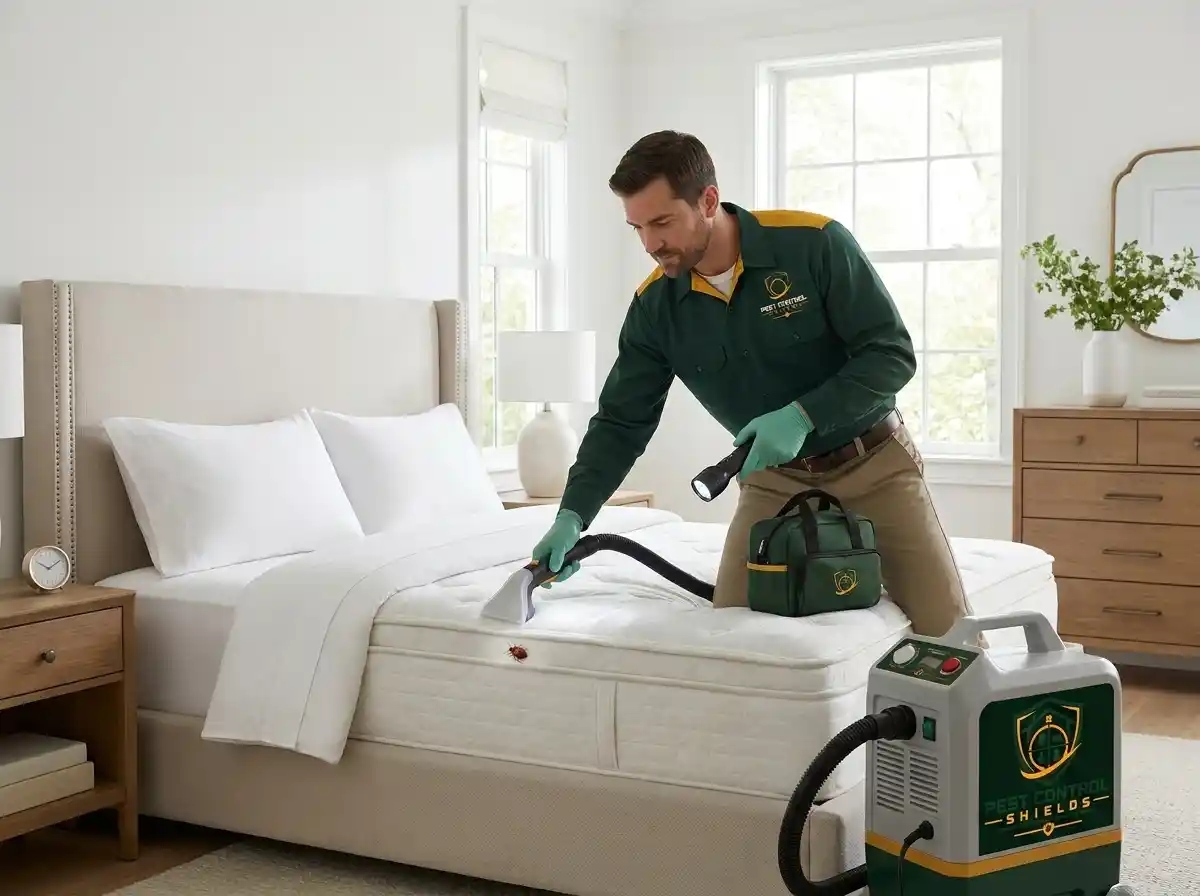
Bed Bug Treatment
Room by room treatment built for rowhomes and multi unit buildings.
View service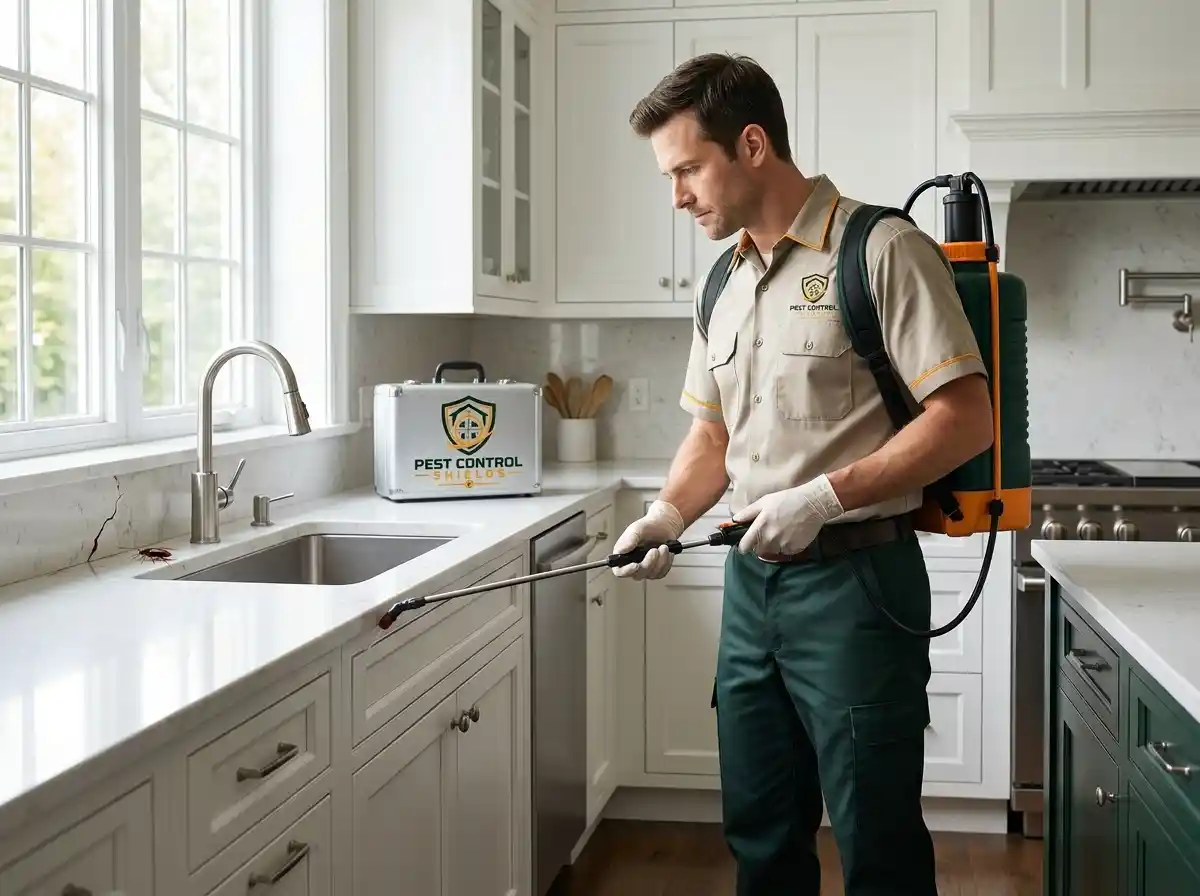
Cockroach Control
We eliminate roaches at the source, even in shared wall homes.
View service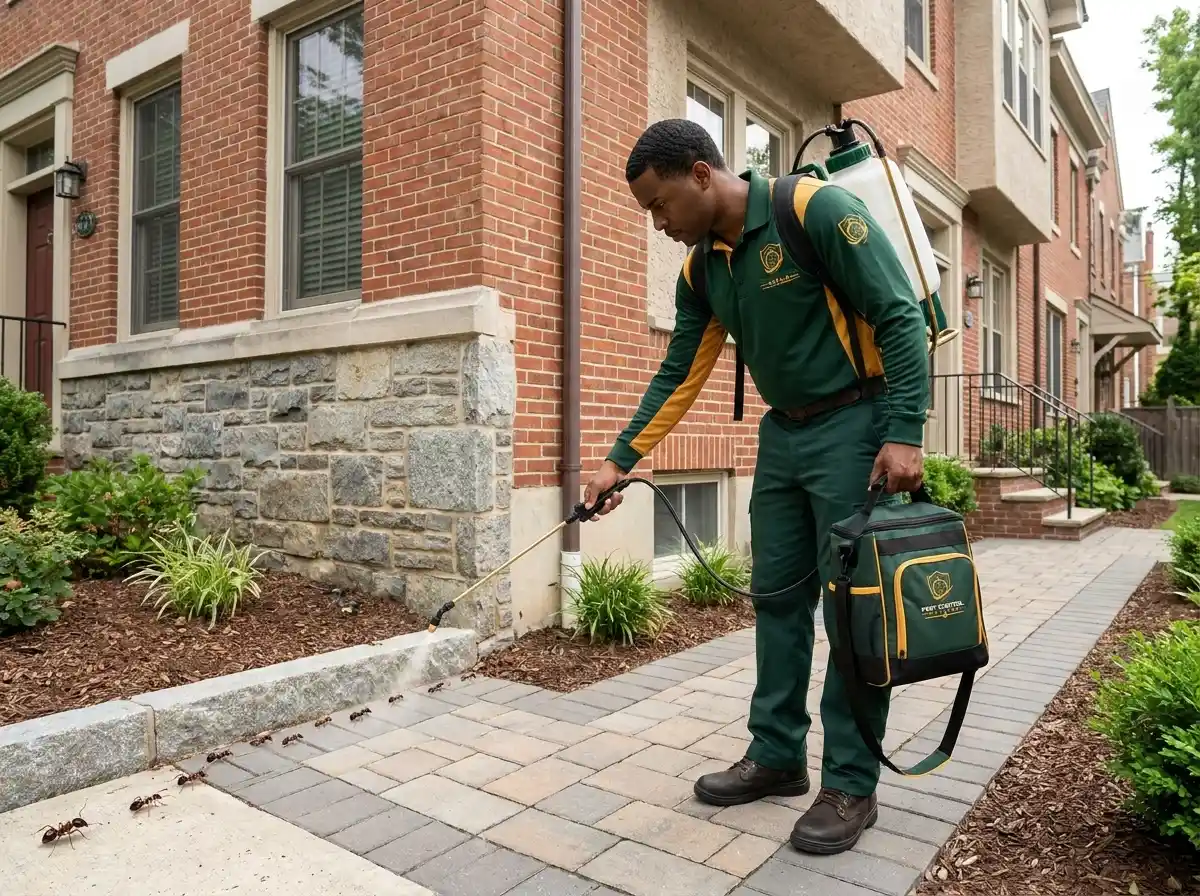
Ant Control
Species specific, colony targeted treatment for every common ant.
View service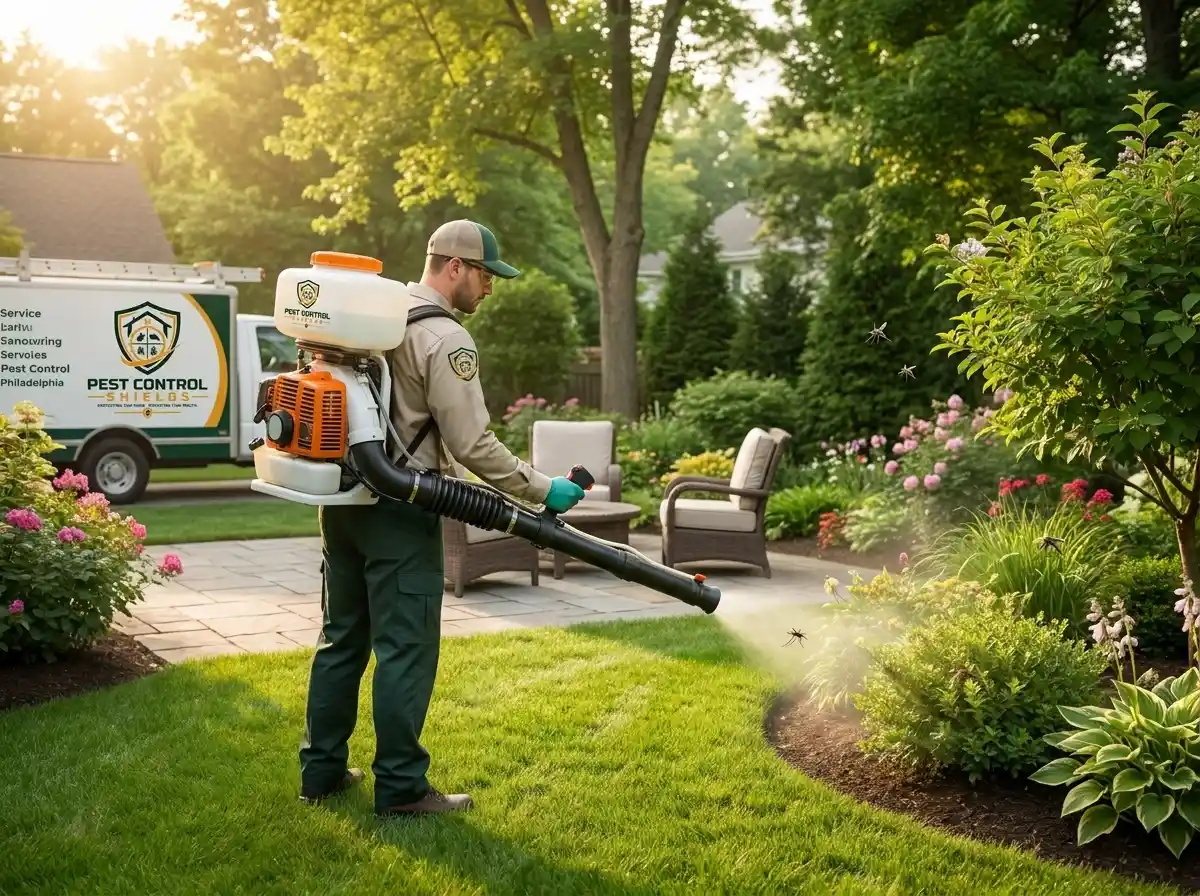
Mosquito Control
Yard treatment of breeding and resting sites through the season.
View service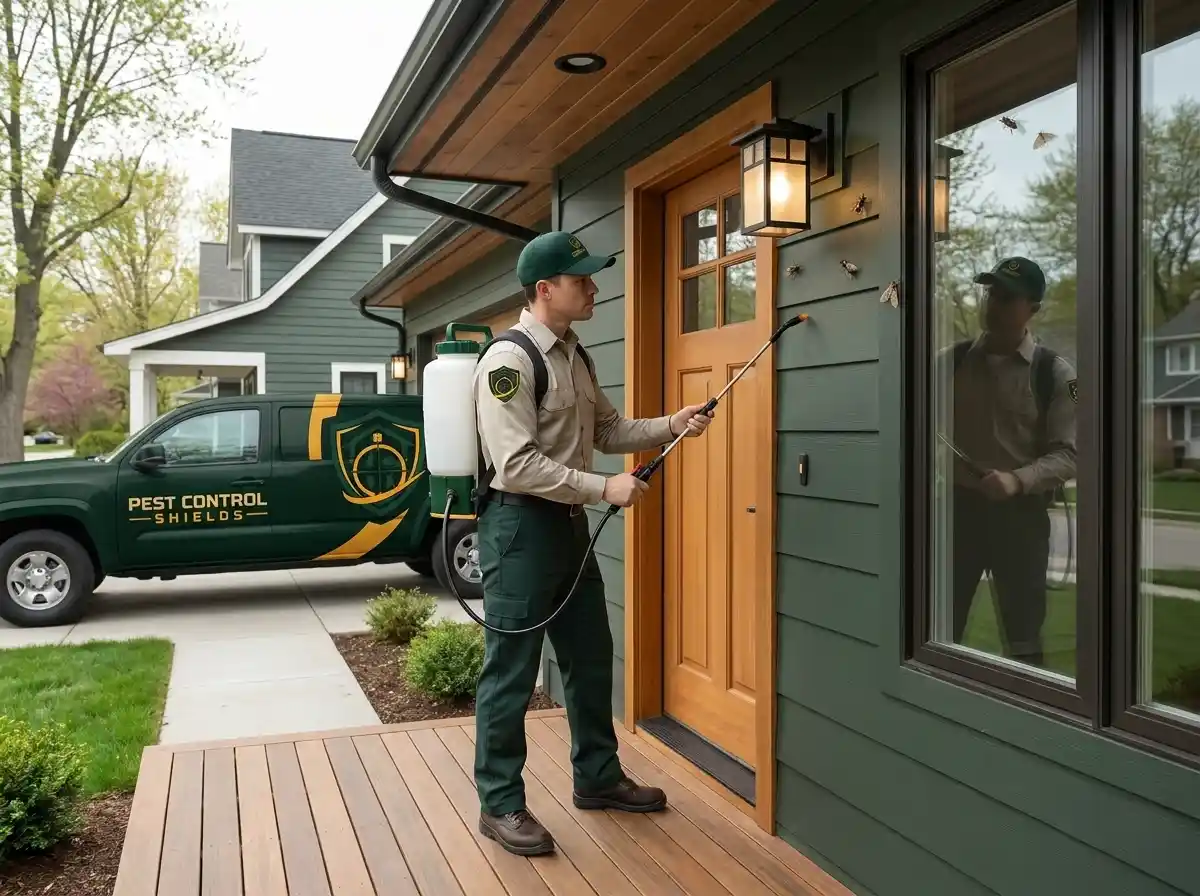
Flying Pest Control
We find the source breeding indoor flies and fix the cause.
View service
Tick and Flea Control
Yard treatment that protects both family and pets.
View serviceWhy do wasps and bees nest on Philadelphia homes?
Stinging insects look for sheltered spots and exposed wood, which older homes offer in abundance.
Sheltered eaves and soffits
Overhangs, eaves, and soffits are prime, protected nesting spots.
Decks and wooden trim
Carpenter bees bore into unpainted decks, railings, and fascia.
Wall voids and vents
Wasps slip into wall cavities and vents to build hidden nests.
Food and sweet drinks
Outdoor food, trash, and sugary drinks pull yellowjackets in late summer.
Why call us for stinging insects?
Safe nest removal without the guesswork
Licensed and insured technicians
Treatment of the nest, not just the swarm
A carpenter bee damage inspection
Prevention so they do not rebuild
Fast response for nests near doors and play areas
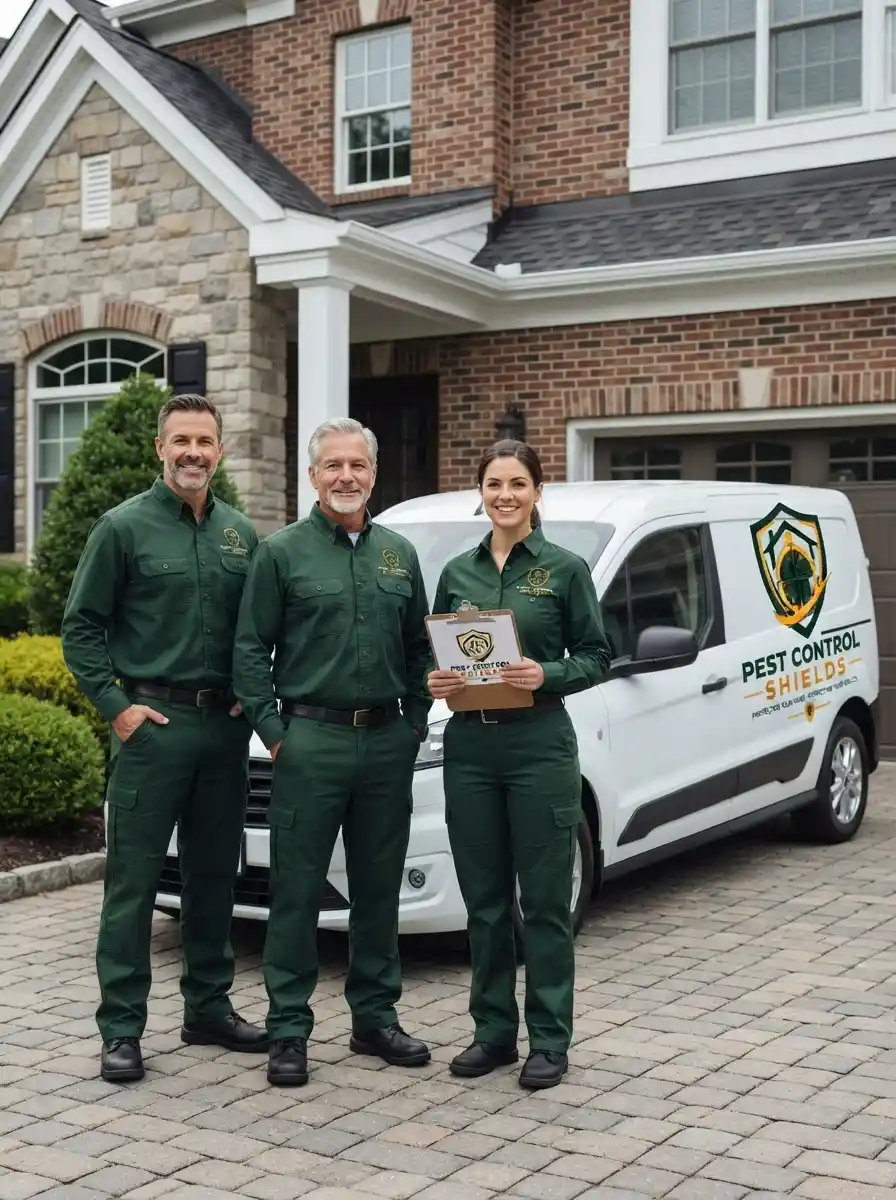
How we remove a wasp or bee nest
A safe, controlled process from identification to prevention.
Inspection
We locate the nest and identify the insect, since wasps, hornets, and bees are handled differently.
Identification
We confirm the species and check whether it is a protected pollinator.
Removal
We treat and remove the nest safely, keeping risk to your household low.
Prevention
We seal or treat the site and check the woodwork so they do not return.
What safe stinging insect removal involves
Stinging insect control is the work of removing the nest and treating the source safely, without setting off the swarm. Knocking a nest down before treating it is how people end up stung, sometimes many times over.
We identify the insect, treat and remove the nest under control, and check the deck and trim for the tunnels carpenter bees leave, so the problem is solved rather than moved.
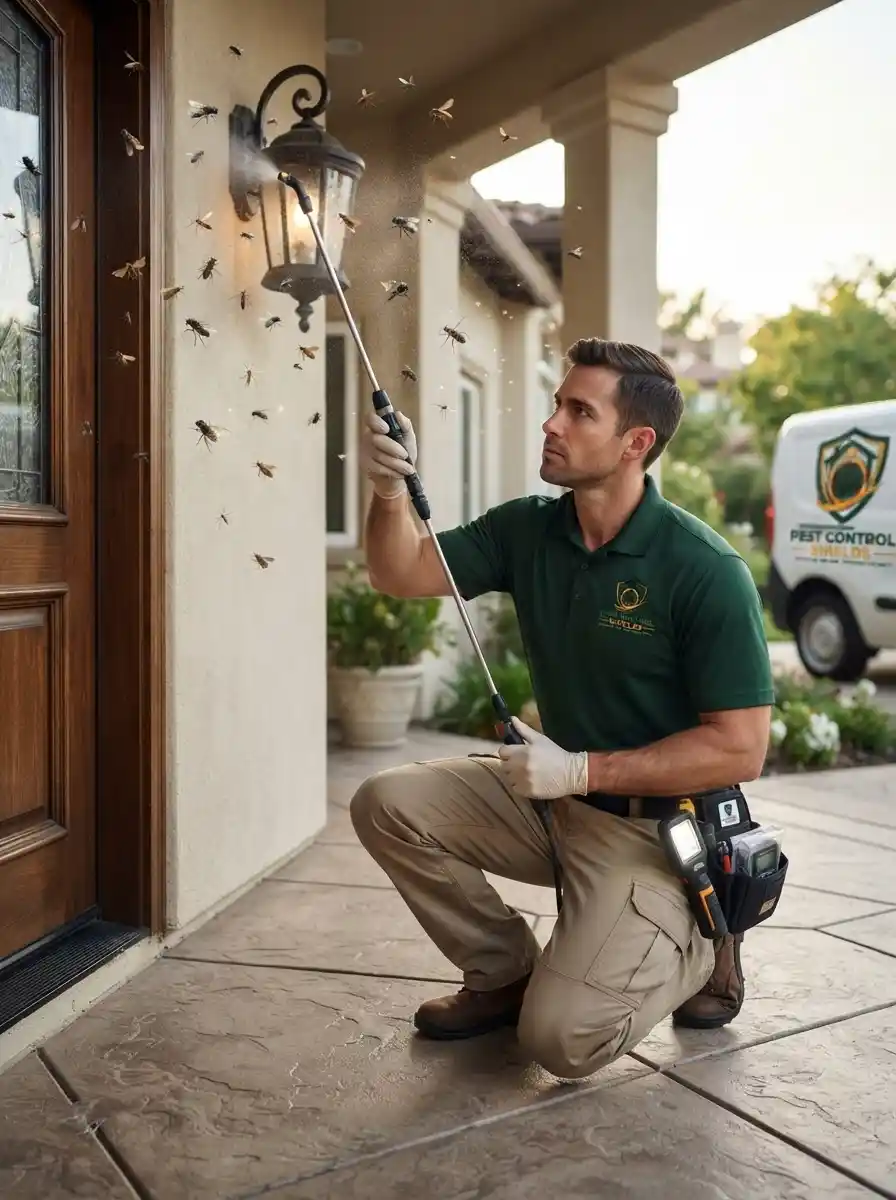
How do you know you have a stinging insect problem?
A single insect is normal. These signs point to a nest on the property.
Visible nests
Papery nests under eaves, in bushes, or grey football shaped hornet nests.
Steady traffic
A constant stream of wasps to and from one spot on the house.
Round holes in wood
Neat, dime sized holes in decks and trim from carpenter bees.
Sawdust under wood
Coarse sawdust collecting beneath railings and fascia.
Buzzing in walls
Buzzing sounds coming from a wall void or a vent.
Aggressive late summer wasps
Yellowjackets swarming food and trash as summer ends.
Which stinging insects do we handle?
Each one nests and behaves differently, so removal is not one size fits all.
Carpenter Bees
Large, solitary bees that bore into wood to nest and can cause repeated damage.
Wasps and Hornets
Aggressive nesters in eaves and shrubs that can sting many times.
Yellowjackets
Ground and cavity nesters that get very aggressive around food in late summer.
What is included in nest removal?
Nest location
We find the nest and identify the insect before we act.
Safe treatment
Controlled treatment and removal that limits the sting risk.
Wood damage check
An inspection for carpenter bee tunnels in decks and trim.
Prevention
Sealing and treatment so they do not rebuild in the same spot.
Nest near your door or deck?
Do not risk the stings. Book a fast, safe removal and we will handle the nest and check for damage.
What Philadelphia homeowners tell us
They found the exact gaps along our shared wall and sealed them. Months later, still nothing. Honest and thorough the whole way through.
First company that actually explained how the pests were getting in from next door instead of just spraying and leaving.
Clear pricing before they started and a written plan I could follow. No surprises on the invoice at all.
Caught a problem early before it spread and saved us a serious repair bill. Genuinely knowledgeable technicians.
The follow up visit is what sold me. They came back to make sure nothing was missed. Highly recommend.
Same day appointment and handled it safely with kids around. Professional from the first call to the last visit.
Wasp and bee removal across the Philadelphia area
Fast, safe stinging insect removal in every neighborhood we serve.
Wasp, bee, and hornet questions we get asked
Should I remove a wasp nest myself?
It is risky. Disturbing a nest without treating it first can trigger repeated stings, so it is far safer to have it handled properly.
Do you kill honey bees?
No. Honey bees are important pollinators, so where possible we identify them and point you toward safe relocation rather than treatment.
How much damage do carpenter bees cause?
A single hole is minor, but they reuse and expand tunnels year after year, which weakens decks and trim over time.
How fast can you remove a nest?
We prioritize nests near doors, patios, and play areas and often offer same day or next day removal.
Will the wasps come back after removal?
Not to a treated, sealed site. We treat the source and block the spot so they cannot rebuild there.
Book fast, safe nest removal
Tell us where the nest is. A technician removes it safely and checks the woodwork for damage, then gives you a plan and price before any work starts.