
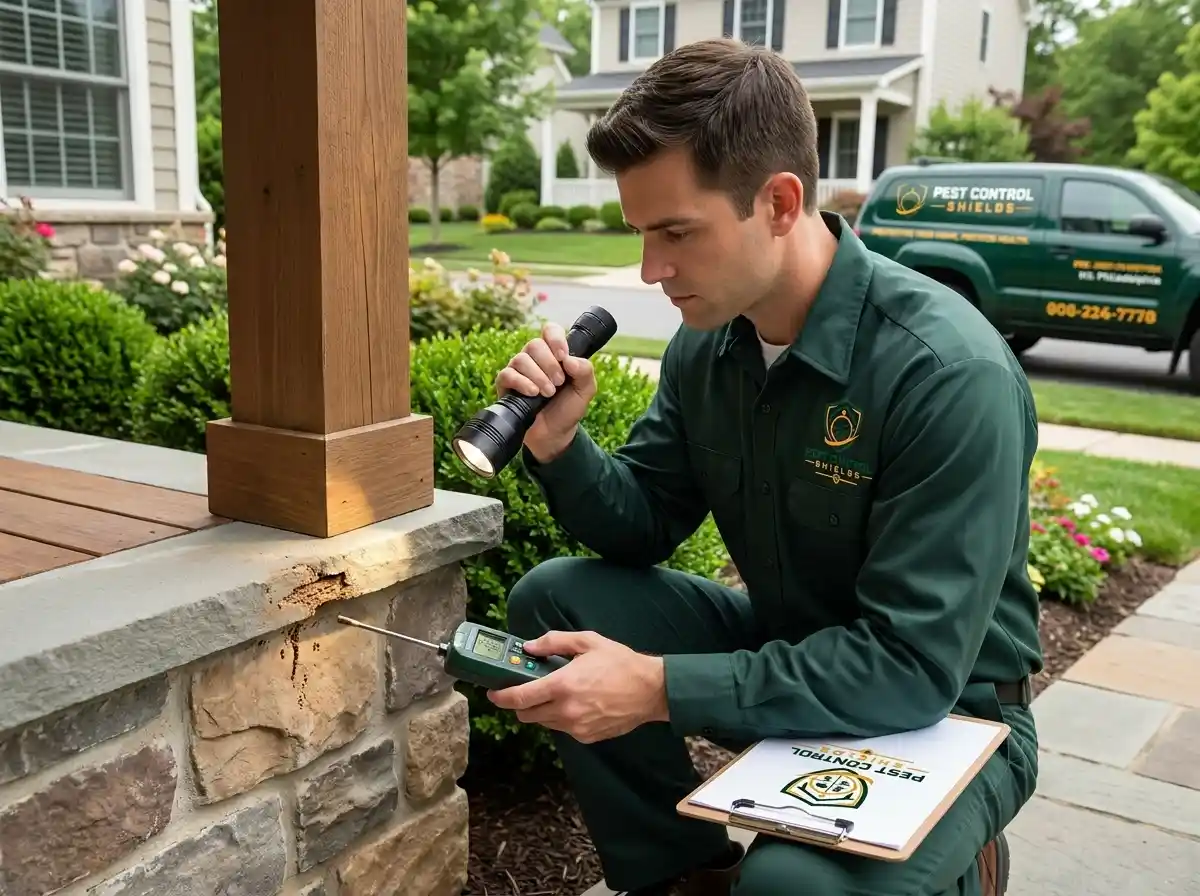
Termite Inspection & Control in Philadelphia
Termites work quietly, often for years, before the damage ever shows. In Philadelphia's older homes with wood framing and damp basements, subterranean termites climb from the soil straight into the structure. We inspect the foundation to frame path, treat active colonies, and set up monitoring so a small problem never turns structural.
Other pests we protect Philadelphia homes from
Termites are rarely the only concern in an older home. Here is the rest of what we handle.
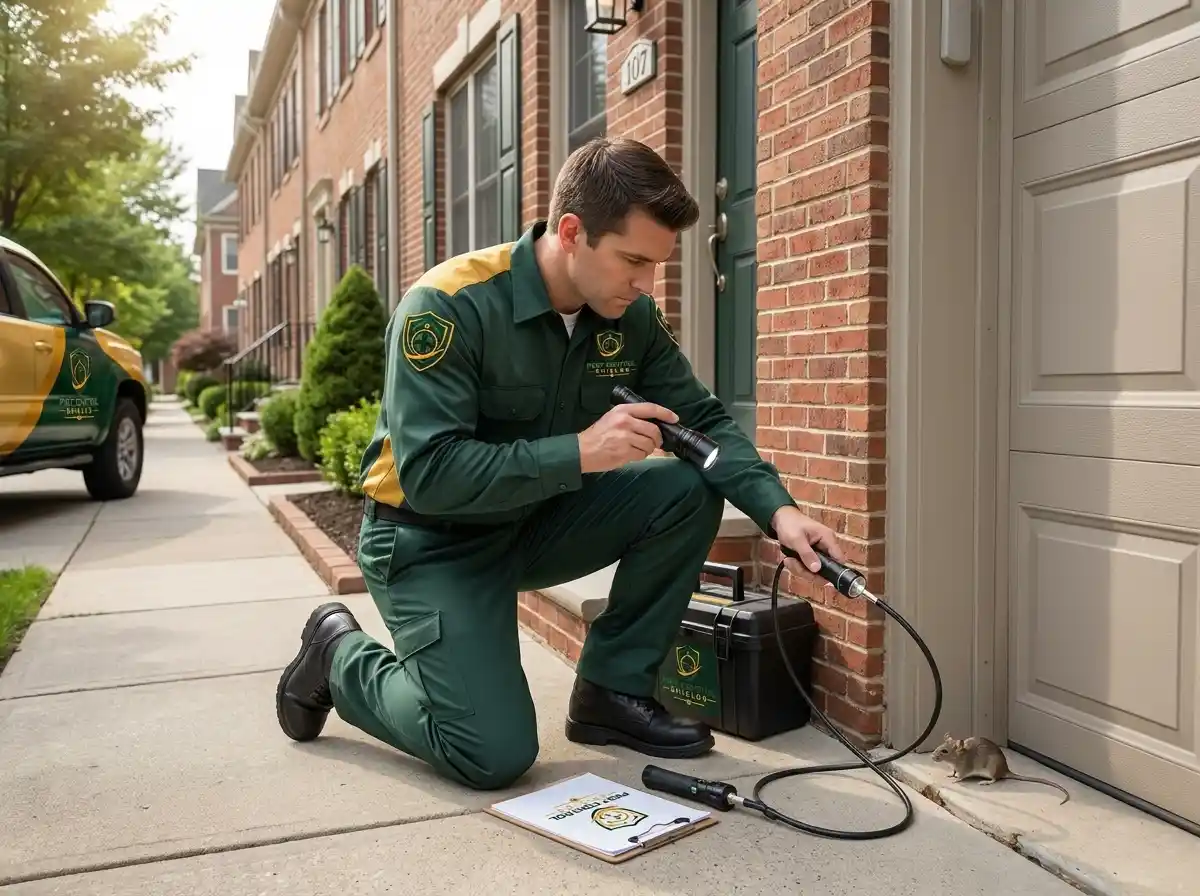
Rodent Control
Full inspection and exclusion for mice and rats, sealed at the entry point.
View service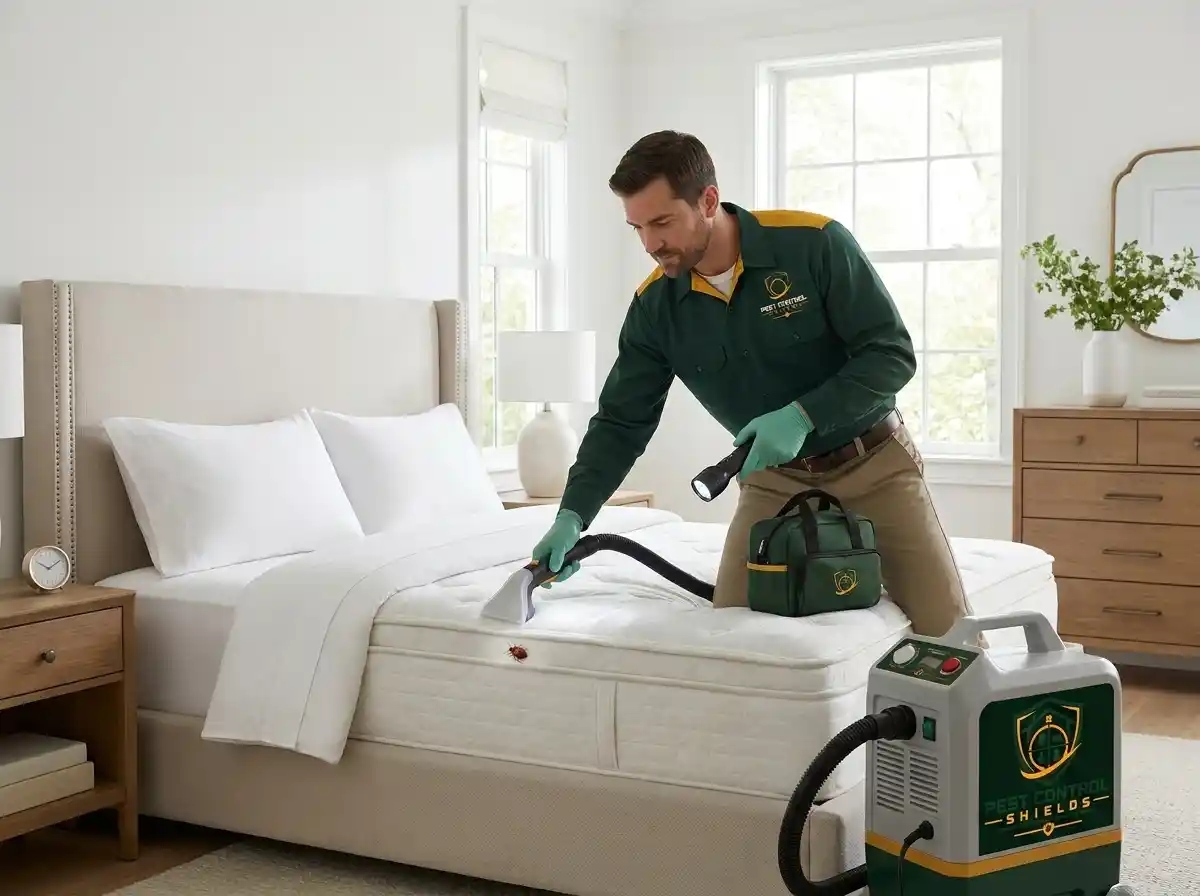
Bed Bug Treatment
Room by room treatment built for rowhomes and multi unit buildings.
View service
Cockroach Control
We eliminate roaches at the source, even in shared wall homes.
View service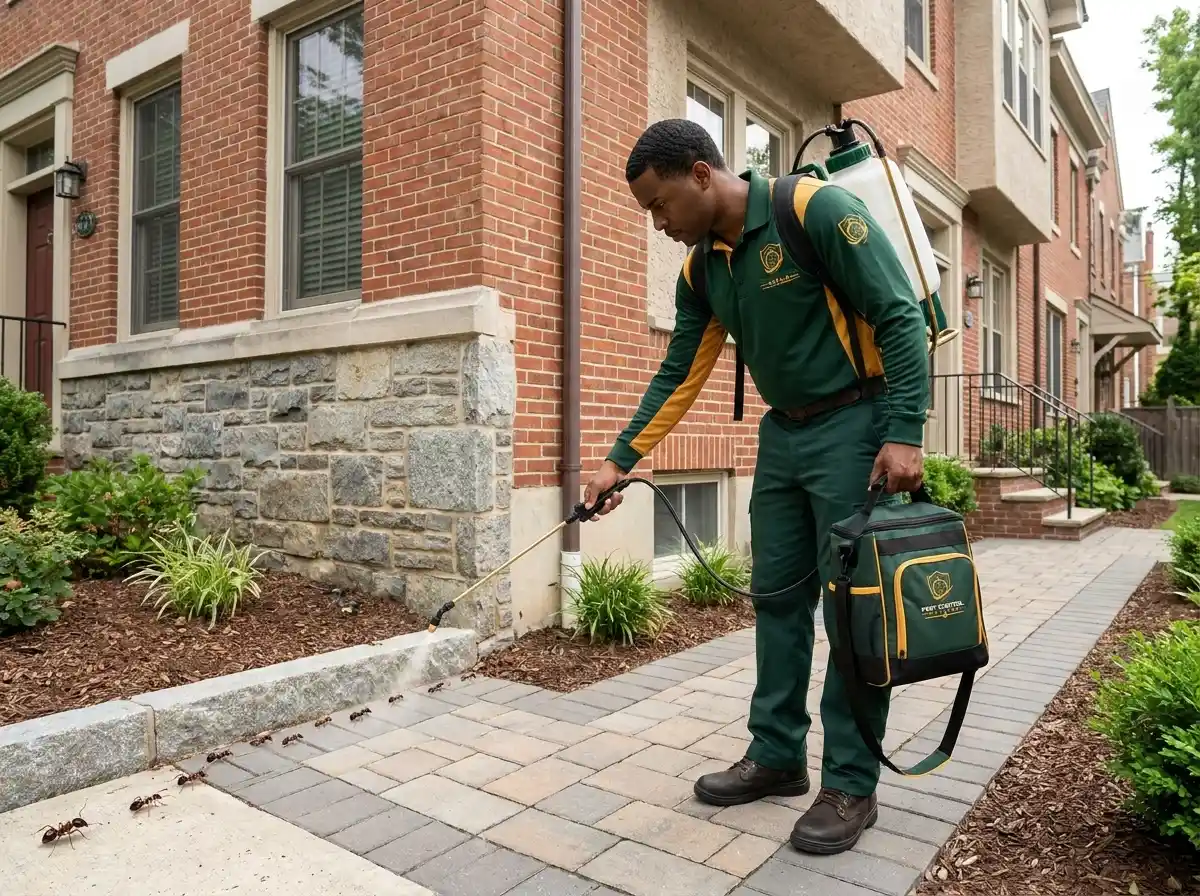
Ant Control
Species specific, colony targeted treatment for every common ant.
View service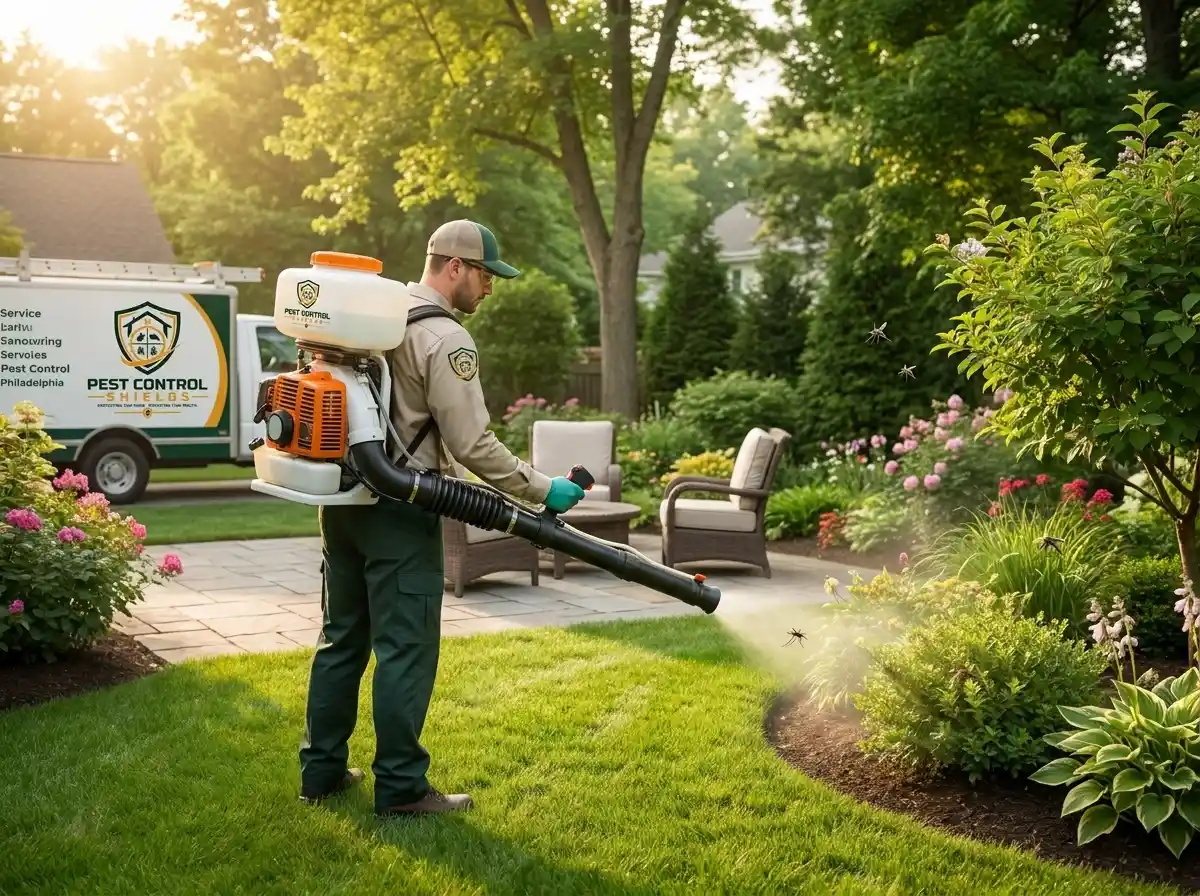
Mosquito Control
Yard treatment of breeding and resting sites through the season.
View service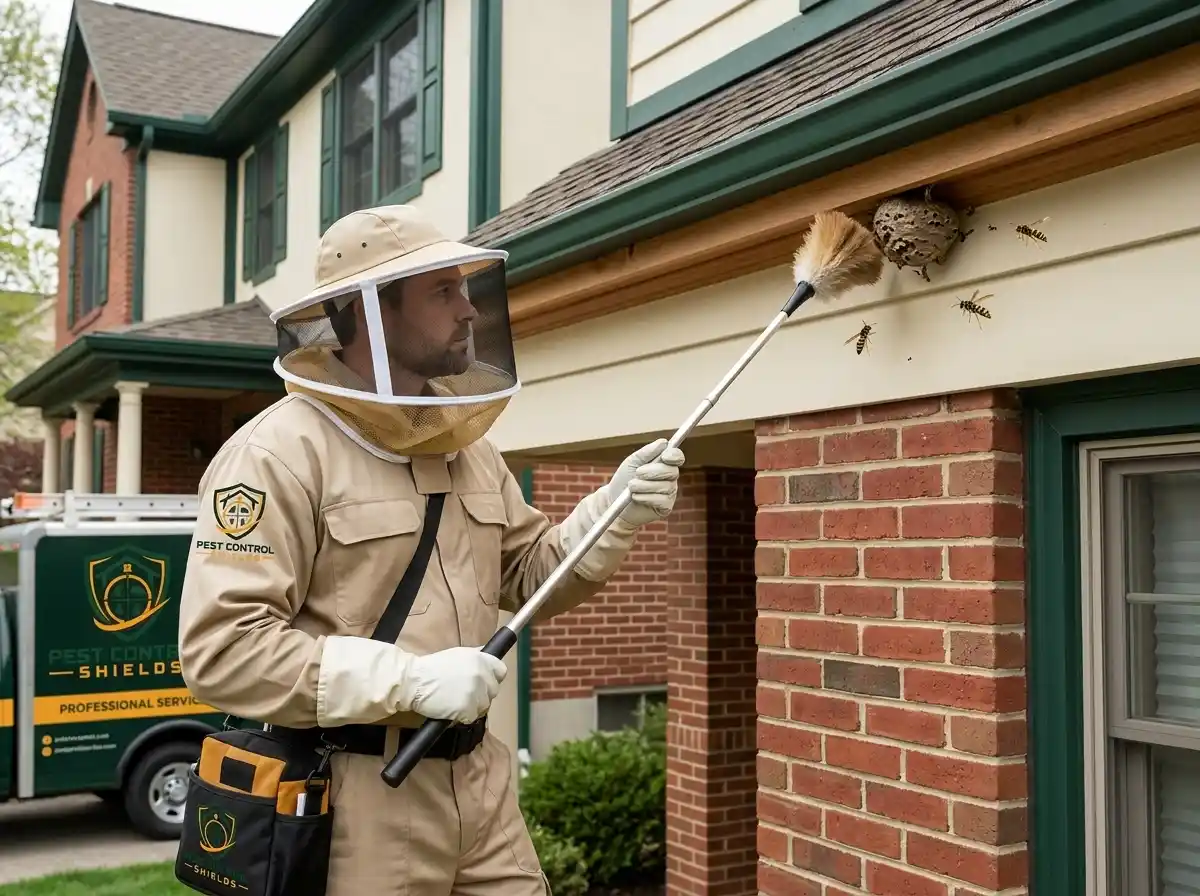
Bees, Wasps, and Carpenter Bees
Safe nest removal and carpenter bee damage checks.
View service
Flying Pest Control
We find the source breeding indoor flies and fix the cause.
View service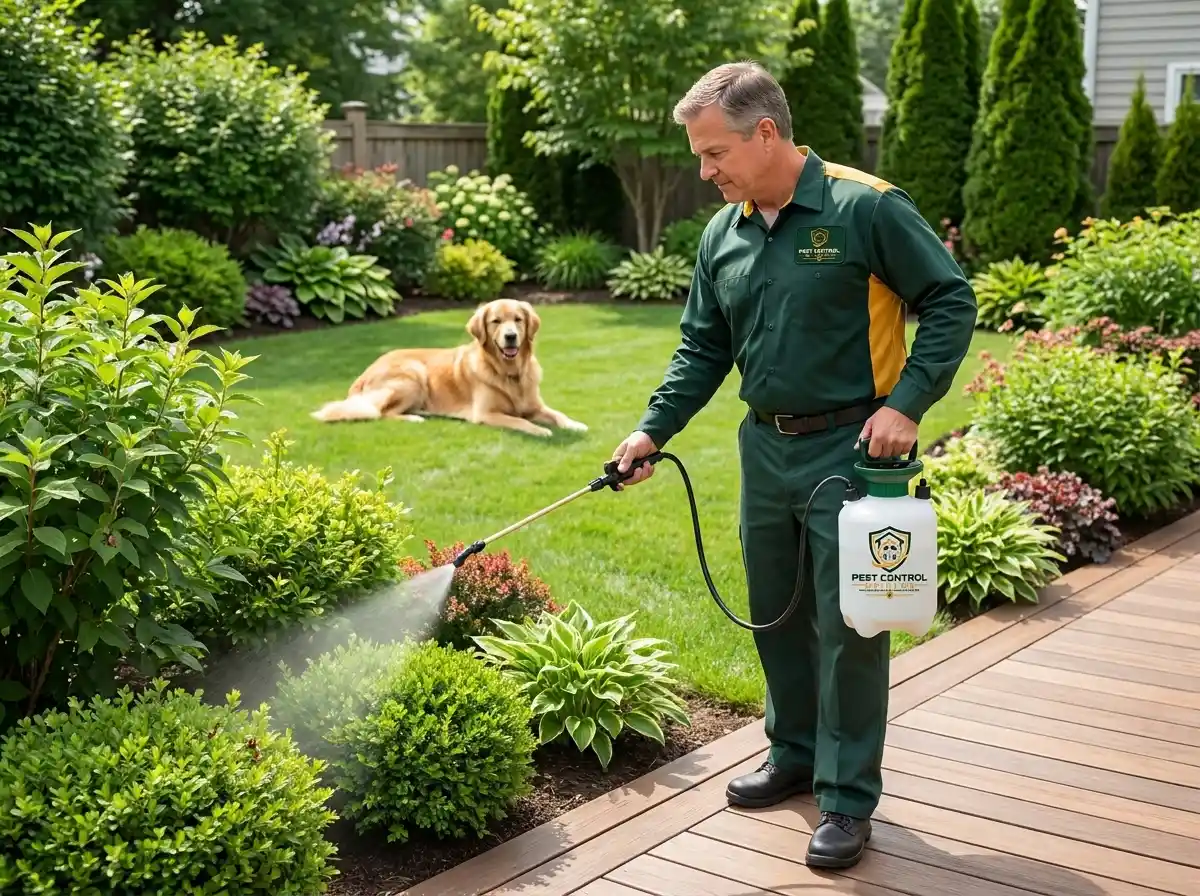
Tick and Flea Control
Yard treatment that protects both family and pets.
View serviceWhy are Philadelphia homes at risk of termites?
Termites need moisture, wood in contact with soil, and an easy way in, and a lot of the city's older housing quietly offers all three.
Aging wood framing
Much of Philadelphia was built with structural wood that has had decades of soil and moisture contact.
Damp basements and cellars
Subterranean termites need constant moisture, and older stone foundations hold it in.
Foundation cracks
Hairline gaps in foundations and slabs give termites a hidden path into the framing.
Wood touching soil
Porch posts, deck footings, and buried scrap wood act as a bridge from the yard indoors.
What makes our termite service different?
Full foundation to frame inspection, not a quick glance
Licensed and insured under Pennsylvania regulations
Treatment matched to the colony, not a blanket spray
Monitoring stations so new activity is caught early
A written inspection report you can keep for resale
Real knowledge of Philadelphia's older housing stock
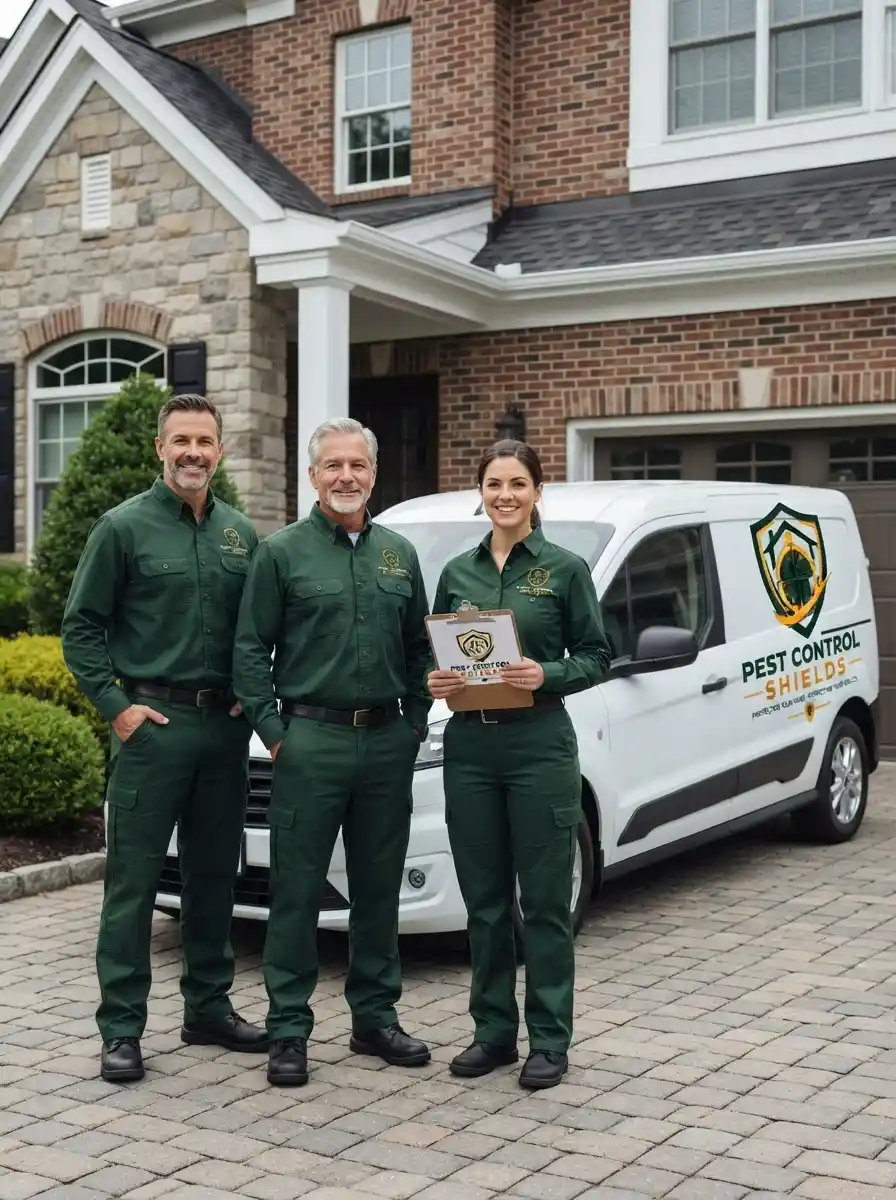
How our termite treatment works
A structured approach that finds the colony, treats it, and keeps watch.
Inspection
We check the foundation, framing, crawlspaces, and moisture points for mud tubes and active damage.
Identification
We confirm the species and how far the colony has spread through the structure.
Treatment
We apply targeted termiticide and, where needed, baiting to reach and eliminate the colony.
Monitoring
We place monitoring stations and schedule checks so the property stays protected long term.
What termite control actually involves
Termite control is the work of finding an active colony, eliminating it, and protecting the wood it feeds on. Because subterranean termites live in the soil and travel up into the structure, treating what you can see is never enough on its own.
We focus on the path termites use, the point where soil, moisture, and wood meet, so the treatment reaches the colony at the source and the protection lasts.
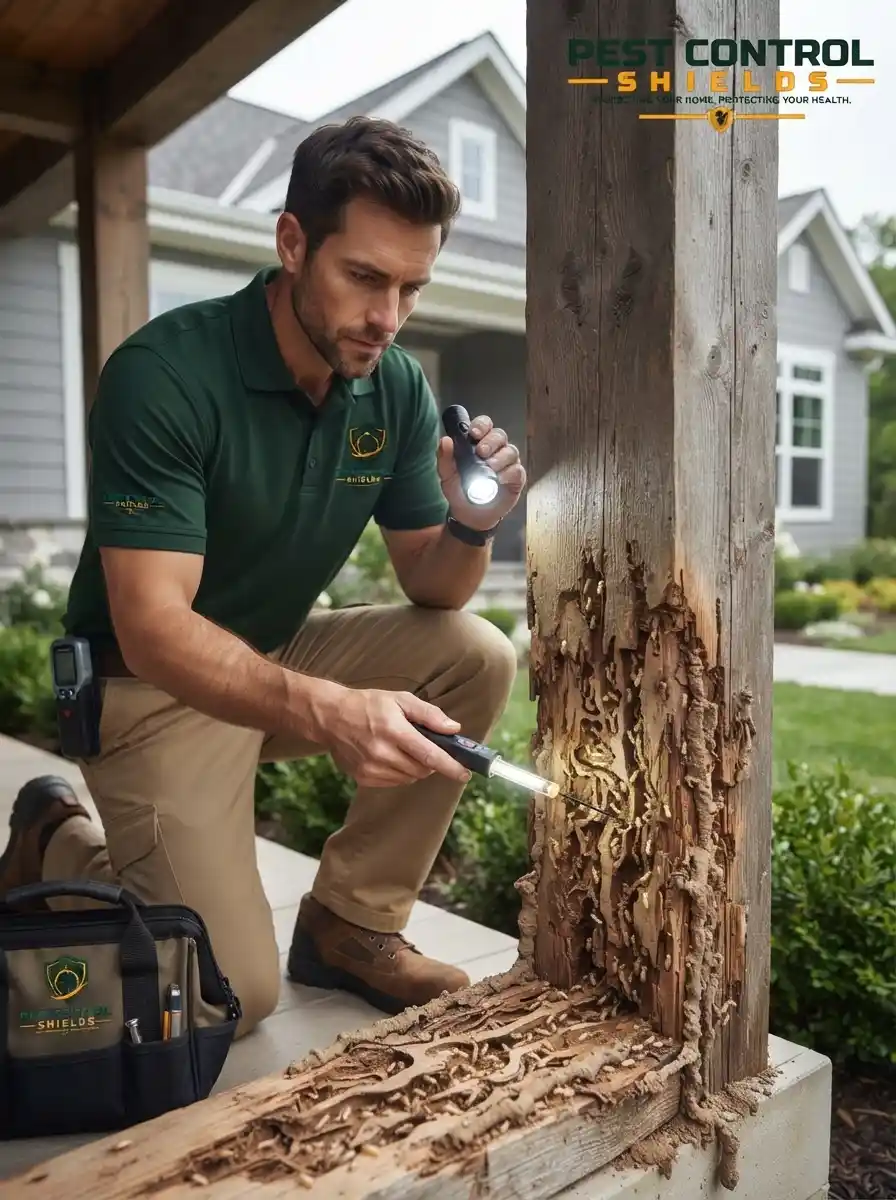
How do you know if you have termites?
Termite damage is easy to miss until it is serious. These are the early warning signs worth watching for.
Mud tubes
Pencil thick mud tunnels running up foundation walls or piers.
Hollow wood
Timber that sounds papery or hollow when you tap it.
Blistered paint
Paint or drywall that bubbles as if it were water damaged.
Discarded wings
Small piles of shed wings near windows and doors after a swarm.
Sticking frames
Doors and windows that suddenly stick as the wood warps.
Frass
Tiny pellets of termite droppings near infested wood.
Which termites show up in Philadelphia?
Not every termite behaves the same, so the treatment depends on the species.
Subterranean Termites
By far the most common here. They nest in soil and build mud tubes to reach the wood above.
Drywood Termites
Less common locally, they live inside dry wood without needing any soil contact.
Dampwood Termites
Drawn to wood with high moisture, often near leaks, damaged gutters, or poor drainage.
What is included in a termite treatment?
Structural inspection
A full check of the foundation, framing, and moisture prone areas.
Colony treatment
Targeted termiticide and baiting to eliminate the active termites.
Moisture assessment
We flag the damp conditions that invite termites back in.
Ongoing monitoring
Stations and scheduled checks to catch any new activity early.
Worried about termites in your home?
Book a free inspection and we will check the foundation to frame path most at risk, then show you exactly where you stand.
What Philadelphia homeowners say about our work
They found the exact gaps along our shared wall and sealed them. Months later, still nothing. Honest and thorough the whole way through.
First company that actually explained how the pests were getting in from next door instead of just spraying and leaving.
Clear pricing before they started and a written plan I could follow. No surprises on the invoice at all.
Caught a problem early before it spread and saved us a serious repair bill. Genuinely knowledgeable technicians.
The follow up visit is what sold me. They came back to make sure nothing was missed. Highly recommend.
Same day appointment and handled it safely with kids around. Professional from the first call to the last visit.
Where we provide termite control near you
Local technicians who understand the older housing stock in each Philadelphia neighborhood.
Common termite questions from Philadelphia homeowners
How much does termite treatment cost?
It depends on the size of the home and how far the colony has spread. You get an exact price after a free inspection, with no obligation to book.
How long does termite treatment take?
Most treatments are completed in a day, with monitoring set up afterward. Larger or long established infestations can take longer, and we explain the plan before starting.
Can I stay in my home during treatment?
Yes. Modern termite treatments are targeted and low disruption, and the technician explains any short precautions before leaving.
How do I know the termites are actually gone?
We confirm the colony is eliminated through follow up checks and monitoring stations, rather than assuming a single treatment did the job.
Do you provide a report for selling my home?
Yes. We provide a documented inspection report you can keep for a sale or a refinance.
Book a free termite inspection today
Tell us what you are seeing. A local technician inspects the structure and the moisture points termites rely on, then gives you a clear plan and price before any work begins.